
Cultural Immersion: Learning from Zanzibar’s Local Traditions
Zanzibar is far more than a tropical beach destination. Beyond its turquoise waters and white-sand shores lies a living cultural tapestry shaped by African, Arab, Indian, and European influences. For travelers seeking meaningful journeys, cultural immersion in Zanzibar offers the chance to connect deeply with local traditions, daily life, and timeless values that continue to shape the island today.
This guide explores how visitors can respectfully learn from Zanzibar’s people, customs, and heritage turning a holiday into an unforgettable cultural experience.
Understanding Zanzibar’s Cultural Identity
Zanzibar’s culture is rooted in Swahili traditions, developed over centuries of trade along the Indian Ocean. Language, food, music, dress, and social customs all reflect this rich blend. Hospitality (ukarimu) is central to daily life, and visitors are often welcomed warmly when they show curiosity and respect.
Cultural immersion begins with slowing down, listening, and engaging with locals beyond tourist hotspots.
1.Exploring Stone Town: A Living Heritage Site
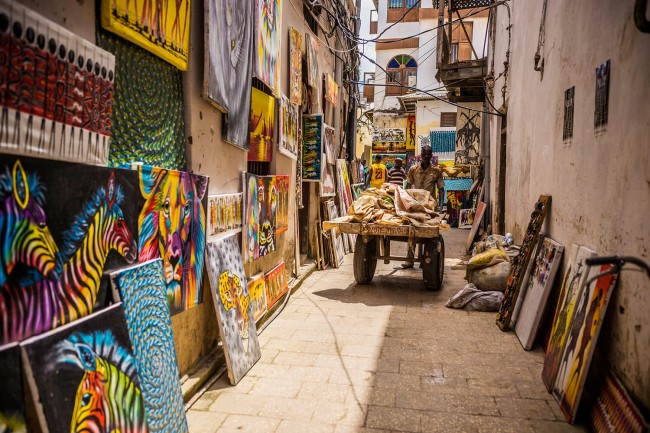
Stone Town, a UNESCO World Heritage Site, is the cultural heart of Zanzibar. Walking through its narrow alleys reveals coral-stone buildings, carved wooden doors, bustling markets, and historic mosques.
A guided walking tour introduces travelers to:
- Swahili architecture and symbolism
- The history of trade, slavery, and cultural exchange
- Traditional neighborhoods where daily life continues as it has for generations
Stone Town is not a museum it’s a living community, making it ideal for cultural learning.
2.Village Tours: Life Beyond the Coast
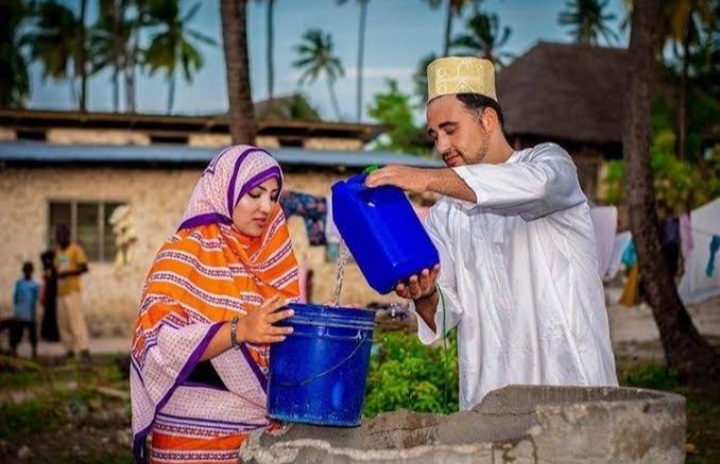
One of the most authentic ways to experience Zanzibar’s traditions is through local village visits. These tours take travelers inland to farming and fishing communities where tourism is minimal. Visitors can:
- Learn about traditional and Swahili daily life
- Observe coconut harvesting and local crafts
- Share stories with elders and community members
Village tours promote cultural understanding while directly supporting local livelihoods.
3.Spice Farms: More Than Just Flavors
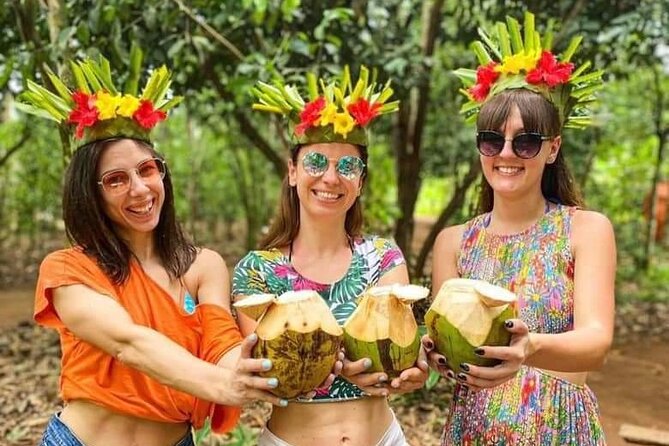
Zanzibar is famously known as the “Spice Island.” Visiting a spice farm is both educational and cultural, as spices play a key role in Swahili cuisine, medicine, and trade history. Guides explain:
- How spices like cloves, cinnamon, and nutmeg are grown
- Traditional uses in cooking and healing
- The role of spice farming in rural life
This hands-on experience connects visitors to Zanzibar’s agricultural heritage.
4.Swahili Cooking Classes: Culture Through Cuisine
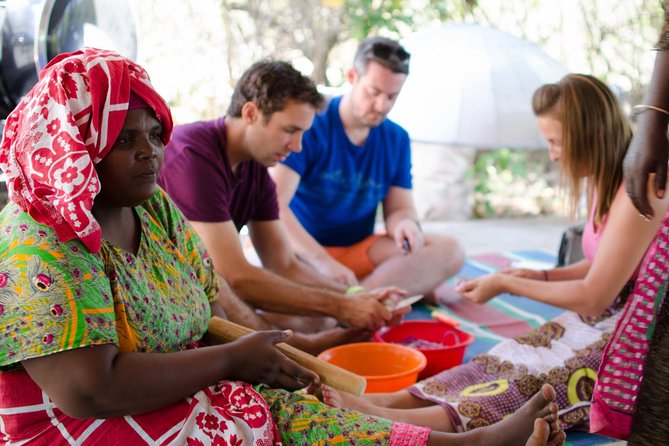
Food is one of the most powerful ways to understand a culture. Swahili cooking classes allow travelers to learn family recipes passed down through generations. Participants often:
- Shop at local markets
- Cook using traditional methods
- Learn the cultural meaning behind dishes
Cooking together creates shared moments and lasting memories while preserving culinary traditions.
5.Music, Dress, and Daily Customs
Zanzibar’s cultural immersion is incomplete without experiencing:
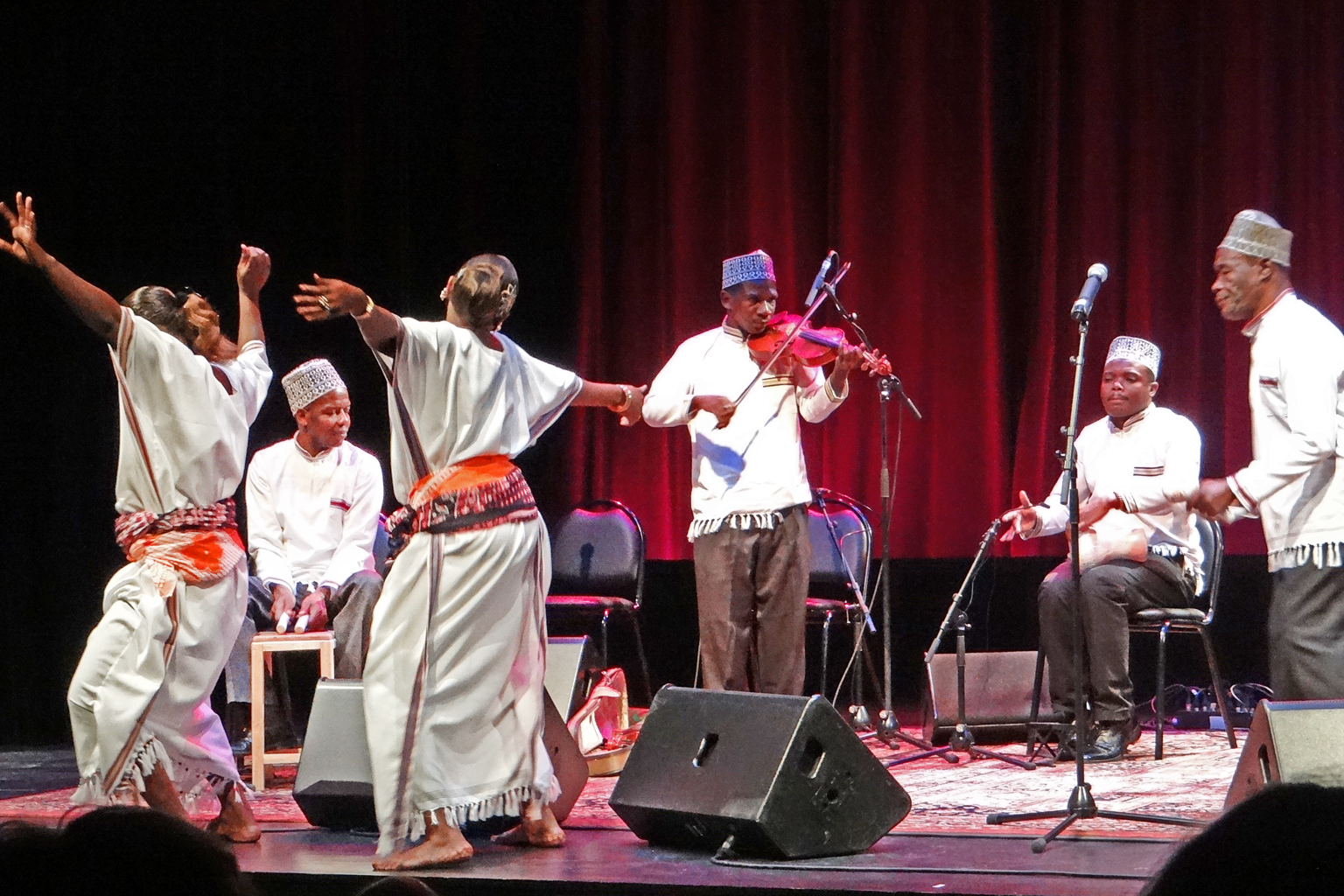
- Taarab music, blending Arabic poetry with African rhythms
- Traditional dress like kanga and kanzu
- Social customs such as greeting etiquette and communal meals
- Attending local events or festivals offers insight into how culture remains alive and evolving.
Responsible Cultural Travel in Zanzibar
True cultural immersion is built on respect. Travelers are encouraged to:
- Dress modestly in towns and villages
- Ask permission before taking photos
- Support locally owned tours and businesses
By traveling responsibly, visitors help protect Zanzibar’s traditions for future generations.
Why Cultural Immersion Matters
Cultural immersion in Zanzibar transforms tourism into exchange. It allows travelers to gain perspective, support communities, and create deeper connections beyond sightseeing. For locals, it helps preserve heritage and share stories on their own terms.
Final Thoughts
Learning from Zanzibar’s local traditions is an enriching journey that goes beyond beaches and resorts. Whether walking through Stone Town, cooking with local families, or visiting rural villages, cultural immersion offers travelers a more meaningful way to experience the island.
FAQ: Cultural Immersion in Zanzibar
1. What is cultural immersion in Zanzibar?
Cultural immersion in Zanzibar means engaging directly with local traditions, daily life, food, history, and communities through authentic experiences such as village visits, cooking classes, and heritage tours.
2. Is cultural tourism in Zanzibar suitable for families?
Yes. Cultural experiences like spice farm tours, village visits, and Swahili cooking classes are family-friendly and educational for both children and adults.
3. Do I need a guide for cultural experiences in Zanzibar?
A local guide is highly recommended. Guides provide historical context, ensure respectful interactions, and help travelers understand customs and traditions more deeply.
4. How can travelers show respect for local traditions?
Travelers should dress modestly, ask permission before taking photos, respect religious practices, and support locally owned businesses and community tours.
5. Are village tours ethical and responsible?
When organized by reputable local operators, village tours are respectful, educational, and beneficial to the community, providing income and preserving cultural heritage.
6. What is the best cultural experience for first-time visitors?
Stone Town walking tours combined with a spice farm visit offer an excellent introduction to Zanzibar’s history, culture, and way of life.
7. Can cultural tours be combined with beach activities?
Absolutely. Many travelers enjoy cultural tours in the morning and relax on Zanzibar’s beaches in the afternoon, creating a balanced travel experience.
8. When is the best time for cultural tours in Zanzibar?
Cultural tours are available year-round, but the dry seasons (June–October and December–February) offer the most comfortable weather for walking and village visits.
📩 Book Cultural Immersion in Zanzibar Today
📩 Plan your cultural immersion trip with local experts like Zancelebrate Tours
🌱 See best-tours you can join today with Zancelebrate Tours
🌱 Travel That Gives Back Starts With You 🌱
Ready to experience Zanzibar beyond the beaches?
Step into the heart of Swahili culture and connect with local traditions that make the island truly special. From Stone Town heritage walks to village visits and cooking classes, our carefully curated cultural experiences offer meaningful travel that supports local communities.
👉 Book your Zanzibar cultural immersion tour today and turn your journey into an unforgettable cultural connection.
Further reading
Read more cultural tour today with Zancelebrate Tours and let history come alive before your eyes
Learn more Zanzibar culture with Wikipedia more than sightseeing it’s about connecting with people, heritage, and traditions.