
Regenerative Tourism in Zanzibar: How Travelers Give Back in 2026
Travel in 2026 is no longer just about seeing new places it’s about leaving destinations better than we found them. In Zanzibar, regenerative tourism has moved beyond sustainability to focus on healing ecosystems, strengthening local communities, and creating long-term positive impact.
This guide explores how regenerative tourism in Zanzibar is shaping the future of travel and how visitors in 2026 can actively give back while enjoying meaningful island experiences.
What Is Regenerative Tourism?
Regenerative tourism goes a step further than sustainable travel. While sustainability aims to reduce harm, regeneration focuses on restoring, revitalizing, and empowering. In Zanzibar, this means:
- Supporting community-led projects
- Restoring marine and coastal ecosystems
- Preserving cultural heritage
- Creating fair economic opportunities
Travelers become participants, not just observers.
Why Zanzibar Is Embracing Regenerative Tourism
Zanzibar’s economy is closely tied to nature and culture. Coral reefs, mangroves, spice farms, and fishing communities depend on responsible tourism for long-term survival.
By 2026, many local operators, lodges, and villages have embraced regenerative models to:
- Protect fragile marine life
- Reduce waste and plastic use
- Empower youth and women
- Preserve Swahili traditions
How Travelers Give Back in Zanzibar (2026)
Community-Led Village Experiences
Visitors participate in village tours that directly support local schools, farming projects, and small businesses. Fees go straight into community development, not large corporations.
Impact: Stronger local economies and cultural preservation.

Mangrove & Coastal Restoration
Travelers join short mangrove planting or beach restoration activities guided by conservation groups.
Impact: Healthier coastlines, improved marine habitats, and climate resilience.
Ethical Wildlife & Marine Experiences
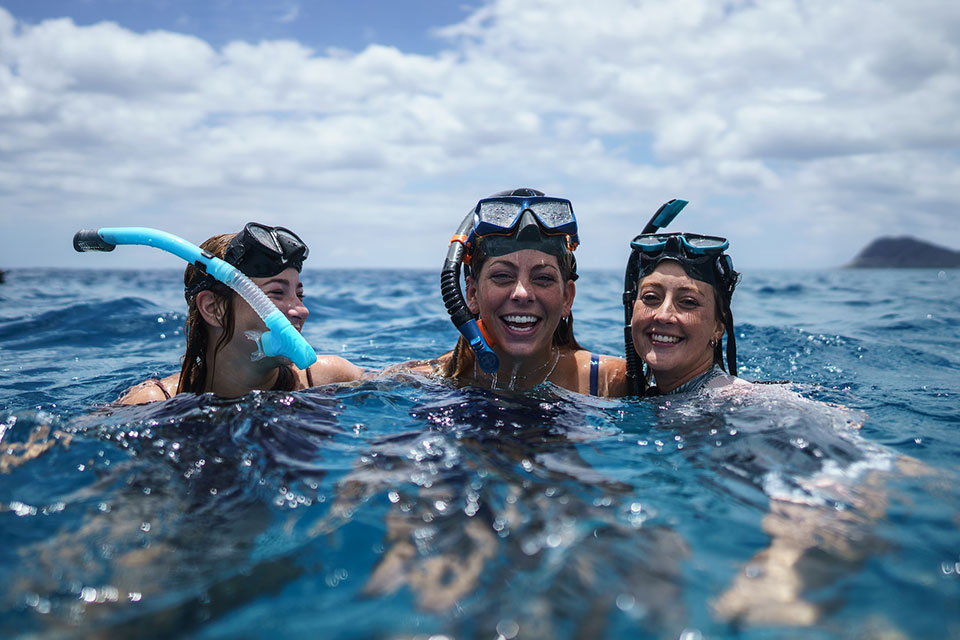
Regenerative tourism emphasizes respectful wildlife encounters, such as guided snorkeling with conservation briefings and responsible dolphin viewing.
Impact: Reduced stress on animals and improved reef protection.
Regenerative Spice Farm Visits
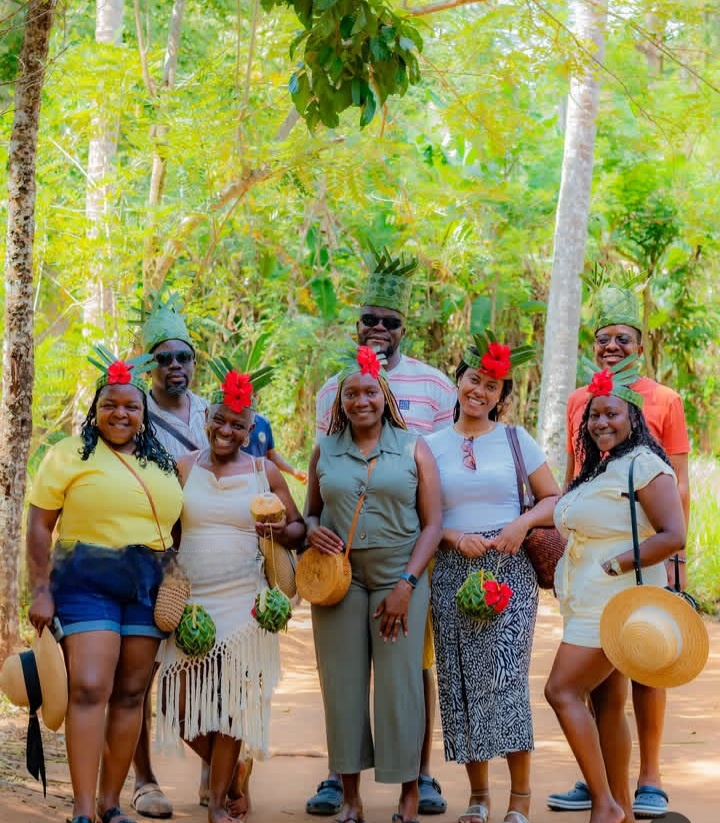
Modern spice tours focus on organic farming, soil health, and biodiversity rather than mass tourism.
Impact: Better farming practices and food security for local farmers.
Local Cooking Classes & Food Systems
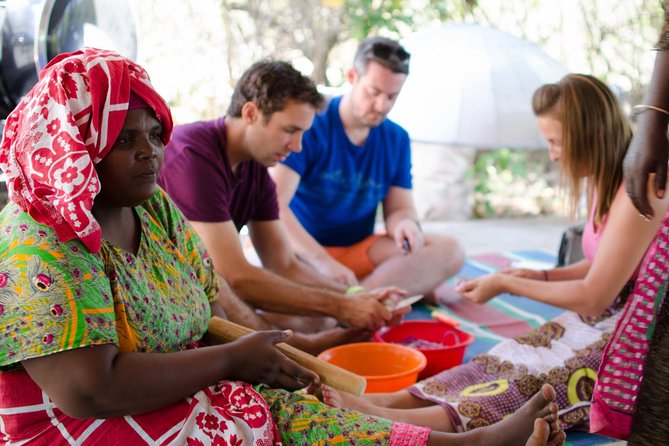
Cooking classes use locally sourced ingredients and traditional methods, supporting farmers and preserving culinary heritage.
Impact: Stronger local food chains and cultural continuity.
Eco-Lodges & Regenerative Stays
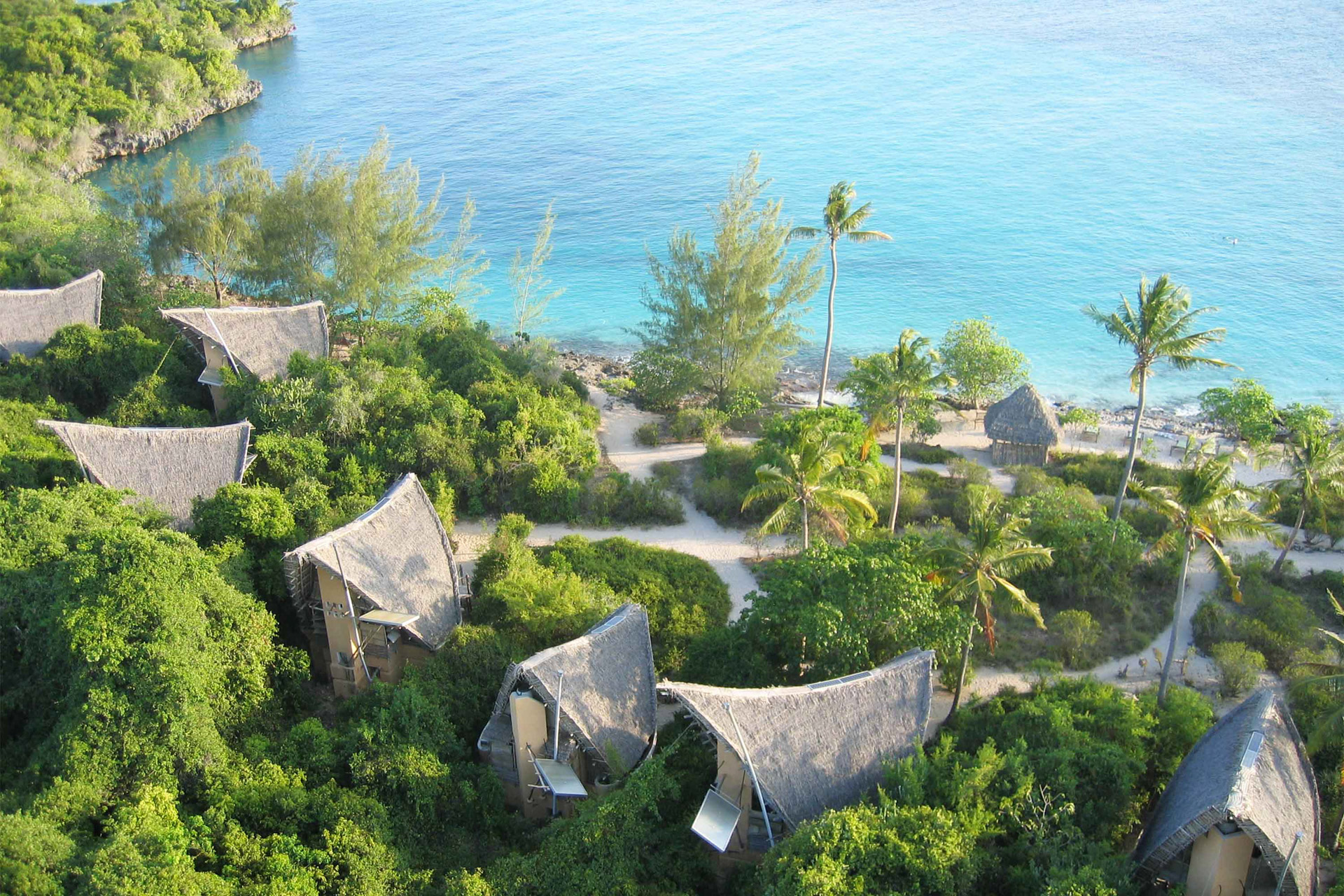
In 2026, more accommodations invest in:
- Solar energy
- Rainwater harvesting
- Waste recycling
- Staff education programs
Staying at these properties supports long-term environmental and social health.
Regenerative Marine Experiences
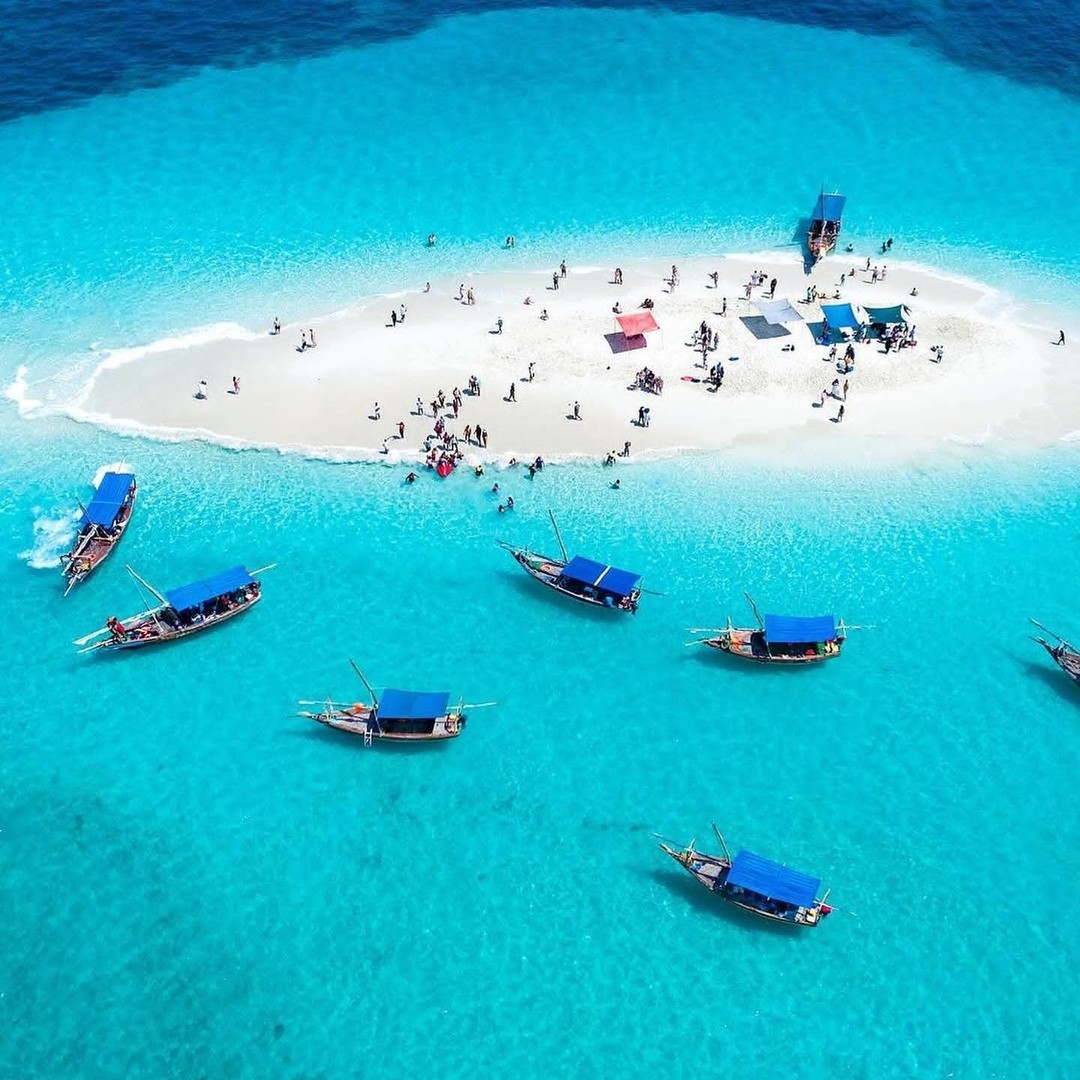
Activities like Safari Blue and island-hopping tours now include:
- Reef education
- No-anchor policies
- Plastic-free lunches
- Community-based boat crews
Travelers learn while enjoying Zanzibar’s lagoons and sandbanks responsibly.
What Travelers Gain from Regenerative Tourism
Giving back doesn’t reduce enjoyment it enhances it. Travelers experience:
- Deeper cultural connection
- Purposeful travel memories
- Authentic human interaction
- A sense of contribution
Many visitors say regenerative travel feels more meaningful than traditional tourism.
How to Travel Regeneratively in Zanzibar (Practical Tips)
- Choose locally owned tour operators
- Ask how your tour benefits communities
- Avoid single-use plastics
- Respect cultural norms and wildlife
- Travel slower and stay longer
- Small choices create lasting impact.
The Future of Travel in Zanzibar
By 2026, regenerative tourism is shaping Zanzibar into a destination where travel becomes a partnership between visitors and locals. Instead of extracting value, tourism now regenerates landscapes, livelihoods, and traditions.
Final Thoughts
Regenerative tourism in Zanzibar represents the future of conscious travel. In 2026, travelers don’t just explore the island they help restore it. By choosing experiences that give back, visitors become part of Zanzibar’s story, not just spectators.
Travel well. Travel wisely. Leave a positive footprint.
FAQ: Regenerative Tourism in Zanzibar
1. What is regenerative tourism in Zanzibar?
Regenerative tourism in Zanzibar focuses on restoring nature, empowering local communities, and preserving culture while travelers actively contribute to positive change during their visit.
2. How is regenerative tourism different from sustainable tourism?
Sustainable tourism aims to reduce harm, while regenerative tourism goes further by improving ecosystems and communities through tourism activities.
3. How can travelers give back while visiting Zanzibar?
Travelers can give back by joining community-led tours, supporting eco-lodges, participating in conservation activities, choosing local guides, and respecting cultural traditions.
4. Are regenerative tourism experiences suitable for families?
Yes. Many regenerative activities such as village visits, spice farms, beach cleanups, and cultural workshops are family-friendly and educational for children.
5. Does regenerative tourism cost more?
Not necessarily. Many regenerative experiences are affordable and often provide greater value because your money directly supports local people and conservation efforts.
6. How can I identify a regenerative tour operator in Zanzibar?
Look for operators that are locally owned, transparent about community impact, avoid mass tourism practices, and invest in environmental and social projects.
7. Can short-stay travelers still participate in regenerative tourism?
Yes. Even half-day village tours, ethical marine trips, or choosing eco-conscious accommodations make a positive impact.
8. What role do local communities play in regenerative tourism?
Local communities lead many experiences, manage projects, and receive direct benefits, ensuring tourism supports long-term development rather than dependency.
📩 Book Regenerative Tourism in Zanzibar Today
📩 Plan your regenerative tourism trip with local experts like Zancelebrate Tours
🌱 See best-tours you can join today with Zancelebrate Tours
🌱 Travel That Gives Back Starts With You 🌱
In 2026, travel to Zanzibar is more than a holiday it’s a chance to make a difference. By choosing regenerative tourism experiences, you help restore nature, support local communities, and preserve the island’s cultural heritage.
👉 Plan your regenerative journey to Zanzibar today and become part of a new travel movement one that leaves the island stronger, healthier, and more connected than before.
Travel with purpose. Leave a positive legacy.