
Swahili Cooking Classes in Zanzibar: Learn Zanzibar’s Culinary Secrets
Zanzibar’s culture is best understood not only through its history and architecture, but through its food. Influenced by Africa, Arabia, India, and Persia, Swahili cuisine tells the story of centuries of trade and tradition. Swahili cooking classes in Zanzibar invite travelers to step into local kitchens, discover age-old techniques, and learn the culinary secrets that make island flavors so distinctive.
This immersive experience goes beyond tasting it connects you directly to Zanzibar’s people, culture, and heritage.
Why Take a Swahili Cooking Class in Zanzibar?
Food is central to Swahili life. Recipes are passed down through generations, often prepared slowly and with care. Joining a cooking class allows visitors to experience this tradition first-hand. What makes it special:
- Authentic, home-style cooking
- Hands-on learning with local hosts
- Cultural storytelling through food
- A deeper connection to island life
It’s one of the most meaningful cultural activities Zanzibar has to offer.
Start With Zanzibar’s Famous Spices
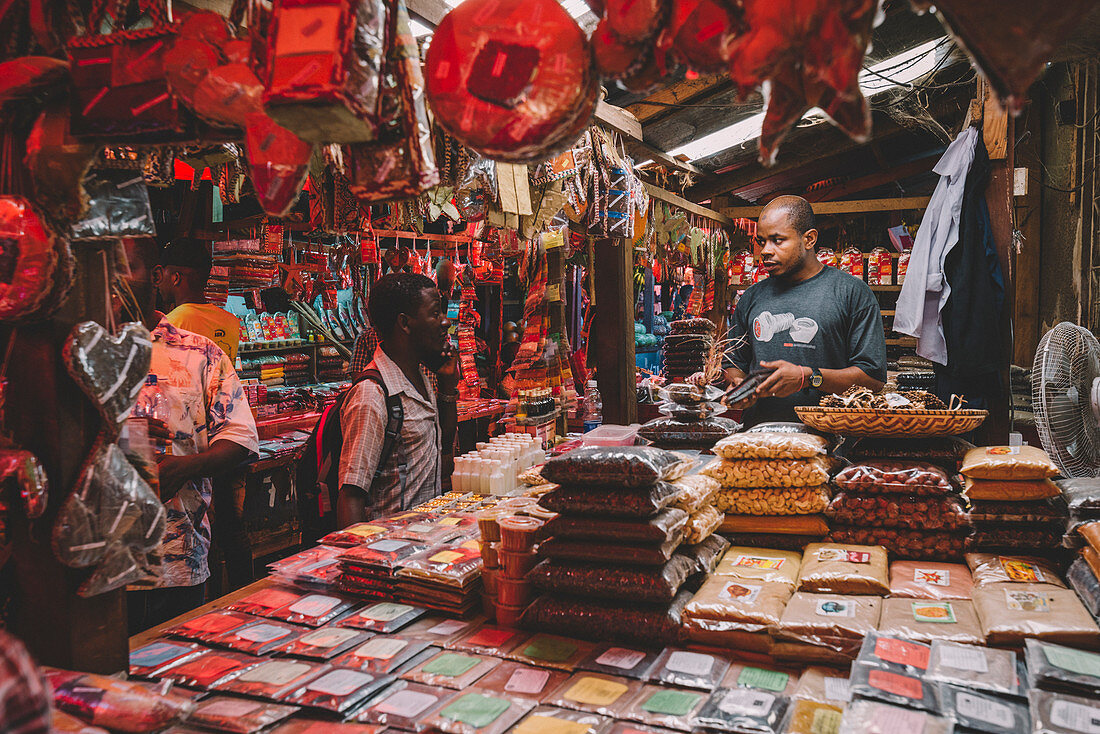
Many cooking classes begin with an introduction to Zanzibar’s legendary spices. Participants learn how cloves, cinnamon, cardamom, turmeric, and nutmeg shape Swahili dishes some experiences include:
- Visiting local spice markets
- Learning how spices are blended
- Understanding their cultural and historical significance
This foundation helps explain why Zanzibar is known as the “Spice Island.”
Cook Traditional Swahili Dishes Step by Step
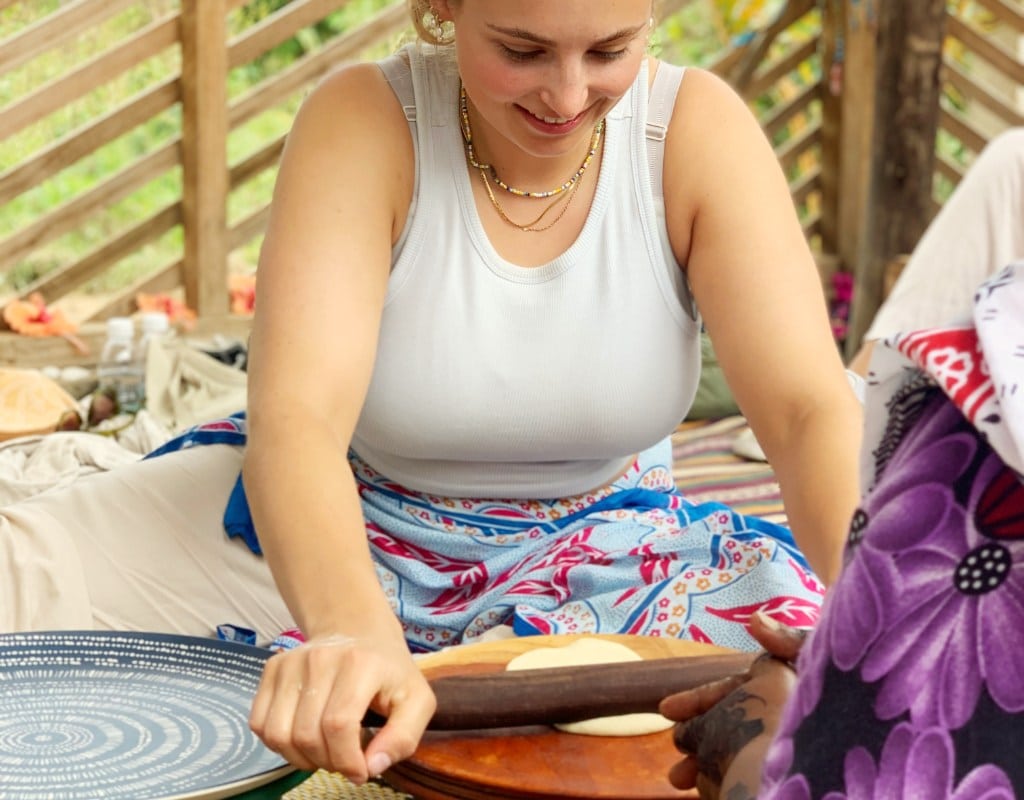
Under the guidance of an experienced local cook, participants prepare classic Swahili meals using fresh ingredients and traditional techniques. Common dishes include:
- Coconut fish or chicken curry
- Swahili pilau rice
- Chapati flatbread
- Vegetable stews with tropical spices
- Fresh fruit desserts
Every step is explained, making the class accessible even for beginners.
Learn the Stories Behind the Recipes
Swahili cooking classes are also storytelling sessions. Hosts often share:
- Family traditions
- Cultural customs around food
- The meaning of meals during celebrations
- How recipes vary between villages
These stories turn each dish into a cultural lesson.
Where Swahili Cooking Classes Take Place
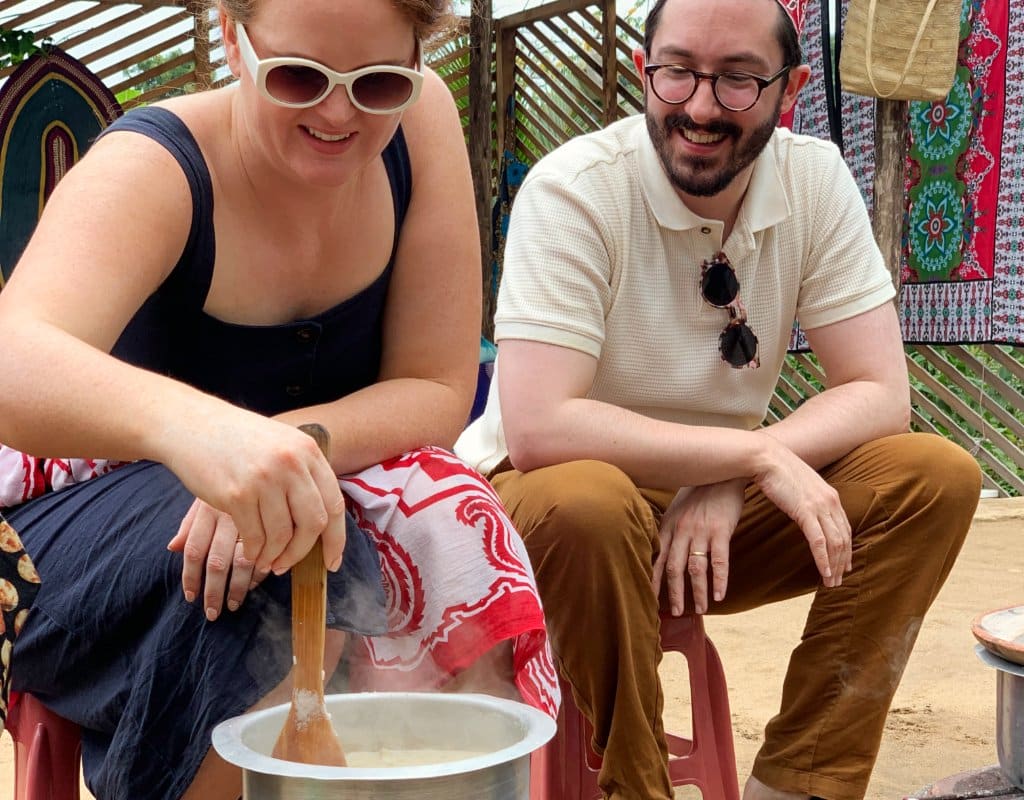
Classes are held in a variety of authentic settings, including:
- Traditional homes in Stone Town
- Village kitchens in rural Zanzibar
- Outdoor courtyards near the coast
Each location adds its own atmosphere and charm to the experience.
A Sustainable Cultural Experience
By joining a Swahili cooking class, travelers directly support:
- Local families and small businesses
- Cultural preservation
- Women-led community initiatives
- Responsible, low-impact tourism
It’s a rewarding way to give back while learning.
Practical Tips for Participants
- No cooking experience needed
- Inform hosts of dietary requirements in advance
- Wear comfortable clothing
- Be ready to taste and ask questions
- Most classes last 3–4 hours, including cooking and dining.
Why Swahili Cooking Classes Are a Must-Do in Zanzibar
A Swahili cooking class in Zanzibar offers more than recipes it offers insight into daily life, cultural values, and island traditions. Long after the trip ends, travelers take home skills, flavors, and memories that keep Zanzibar alive in their kitchens.
🌿 Final Thought
If you want to truly understand Zanzibar, start with its food. Learning Swahili cooking secrets is one of the most authentic and enriching experiences the island has to offer.
FAQ: Swahili Cooking Classes in Zanzibar
1. Do I need cooking experience to join a Swahili cooking class?
No experience is required. Classes are beginner-friendly and guided step by step by local cooks, making them suitable for all skill levels.
2. What dishes will I learn to cook?
You’ll learn to prepare traditional Swahili dishes such as coconut curry, pilau rice, chapati, vegetable stews, and tropical fruit desserts.
3. Are Swahili cooking classes suitable for families?
Yes. Many classes welcome families and children, offering safe, hands-on tasks that make learning fun for all ages.
4. How long does a cooking class last?
Most Swahili cooking classes last 3 to 4 hours, including ingredient preparation, cooking, and enjoying the meal together.
5. Where do the classes take place?
Classes are usually held in local homes, village kitchens, or cultural spaces in Stone Town and rural areas, ensuring an authentic experience.
6. Can dietary restrictions be accommodated?
Yes. Vegetarian, vegan, halal, and allergy-friendly meals can usually be arranged if requested in advance.
7. Will I learn about Zanzibar’s spices?
Absolutely. Classes often include lessons on Zanzibar’s famous spices, their uses, and their role in Swahili cuisine and history.
8. Is the experience environmentally and culturally responsible?
Yes. Swahili cooking classes support local families, preserve culinary traditions, and promote sustainable, community-based tourism.
📩 Book Swahili Cooking Classes in Zanzibar Today
📩 Plan your Swahili Cooking Classes trip with local experts like Zancelebrate Tours
🌱 See best-tours you can join today with Zancelebrate Tours
🌱 Travel That Gives Back Starts With You 🌱
🍽️ Turn your Zanzibar family holiday into a cultural feast!
Book a Swahili cooking class for your family and enjoy hands-on learning, authentic flavors, and unforgettable moments together
🍽️ Taste Zanzibar the authentic way.
Step into a local kitchen, learn time-honored recipes, and uncover the island’s culinary secrets with a Swahili cooking class.
👉 Cook, learn, and connect through food.
Book your Swahili cooking class in Zanzibar today and take home flavors that last a lifetime.