
🐢 Wildlife Encounters in Zanzibar: Discover Nature Beyond the Beaches
🌿 Introduction: Explore Zanzibar’s Wild Side
When most people think of Zanzibar, they picture turquoise waters and soft white sands but beyond its idyllic beaches lies a vibrant world of wildlife and natural wonders. From rare monkeys in lush forests to colorful marine life beneath the waves, Zanzibar offers incredible wildlife encounters that bring travelers closer to nature. Whether you’re a diver, birdwatcher, or nature enthusiast, this tropical paradise has something wild waiting for you.
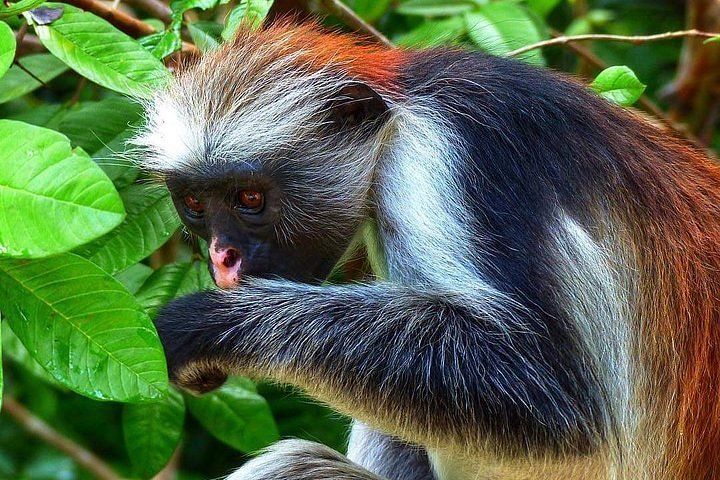
🐒 1. Jozani Chwaka Bay National Park: Home of the Red Colobus Monkey
No wildlife journey in Zanzibar is complete without visiting Jozani Chwaka Bay National Park, the island’s only national park and a sanctuary for the endangered Zanzibar red colobus monkey. These playful primates are found only in Zanzibar, making the park a must-visit. Walk along wooden boardwalks through mangrove forests and spot butterflies, bushbabies, and tropical birds along the way.
📍 Location: Central Zanzibar
🌿 Best for: Nature walks, wildlife photography, and eco-education
🐢 2. Sea Turtle Conservation at Nungwi and Mnarani Aquarium
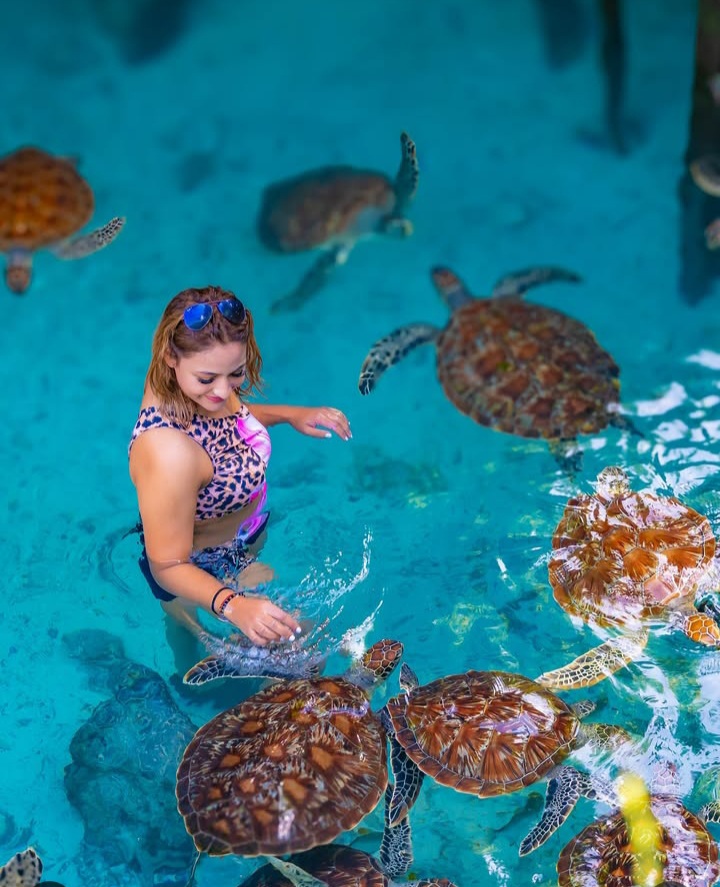
In the northern village of Nungwi, travelers can visit the Mnarani Marine Turtle Conservation Pond, where local efforts protect injured and baby turtles before releasing them into the ocean. Visitors can learn about marine conservation, feeding practices, and the lifecycle of sea turtles an inspiring, family-friendly experience that supports local conservation.
📍 Location: Nungwi Village
🌊 Best for: Families, ocean lovers, and eco-volunteers
🐠 3. Mnemba Atoll Marine Reserve: Underwater Wildlife Haven
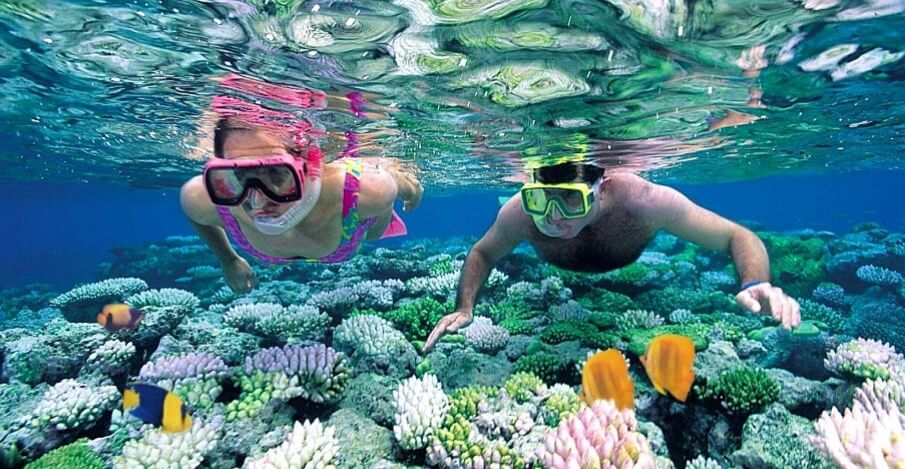
The waters surrounding Mnemba Atoll, off Zanzibar’s northeast coast, are teeming with vibrant marine life. Snorkelers and divers often spot tropical fish, sea turtles, dolphins, and even reef sharks in crystal-clear waters. The reef is part of a protected marine reserve, ensuring sustainable tourism and excellent visibility all year round.
📍 Location: Near Matemwe
🤿 Best for: Snorkeling, scuba diving, and marine photography
🐬 4. Dolphin Watching at Kizimkazi
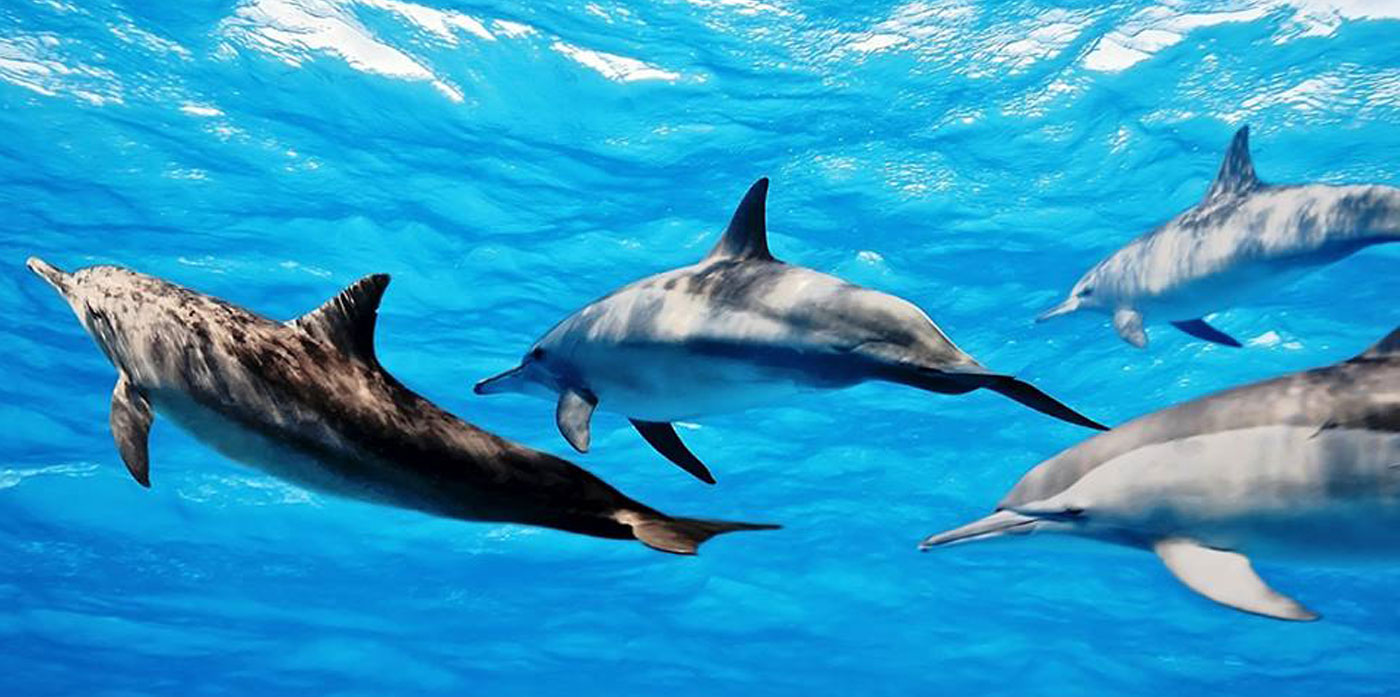
Head to the southern coast of Zanzibar to Kizimkazi Village, famous for its bottlenose and spinner dolphins. Join a responsible dolphin tour that prioritizes ethical interaction — keeping a respectful distance and avoiding crowding the pods. It’s an unforgettable moment to see these playful creatures in their natural habitat.
📍 Location: Kizimkazi, South Zanzibar
🐬 Best for: Morning boat trips and wildlife enthusiasts
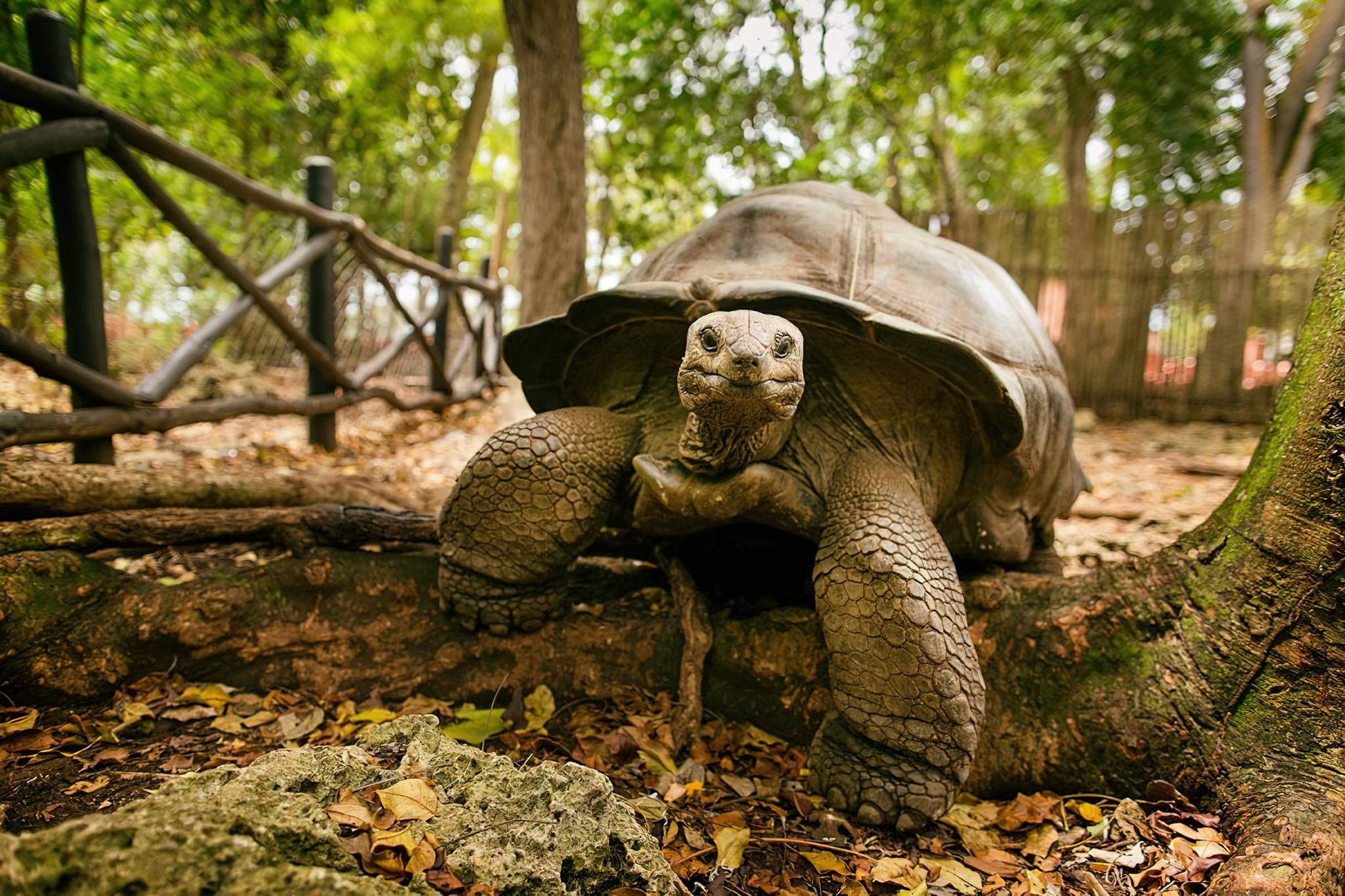
🐢 Prison Island: Home of the Giant Tortoises
Just a 25-minute boat ride from Stone Town, Prison Island (Changuu Island) is a must-visit for nature lovers. It’s home to the giant Aldabra tortoises, some over 150 years old! Visitors can feed and take photos with these gentle giants while learning about their conservation.
The island also offers snorkeling in crystal-clear waters, tropical birds, and peaceful scenery
📍Location: Stone Town
🐢 ideal for: families, couples, and wildlife enthusiasts seeking a relaxing yet educational experience in Zanzibar.
🦜 5. Birdwatching in Zanzibar’s Wetlands
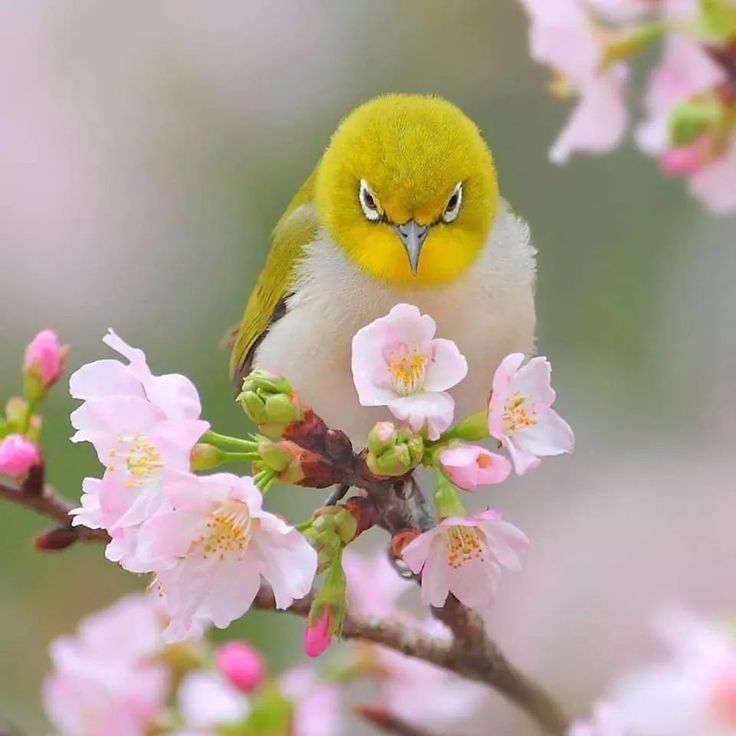
Zanzibar is home to more than 100 bird species, making it a hidden gem for birdwatchers. The Chwaka Bay area, Jambiani mangroves, and Paje wetlands are rich with kingfishers, herons, sunbirds, and egrets. Sunrise and sunset hours are the best times to explore with binoculars in hand.
📍 Location: East and South Coast Wetlands
🪶 Best for: Bird lovers and eco-travelers
🦎 6. Explore Zanzibar’s Hidden Forests and Caves
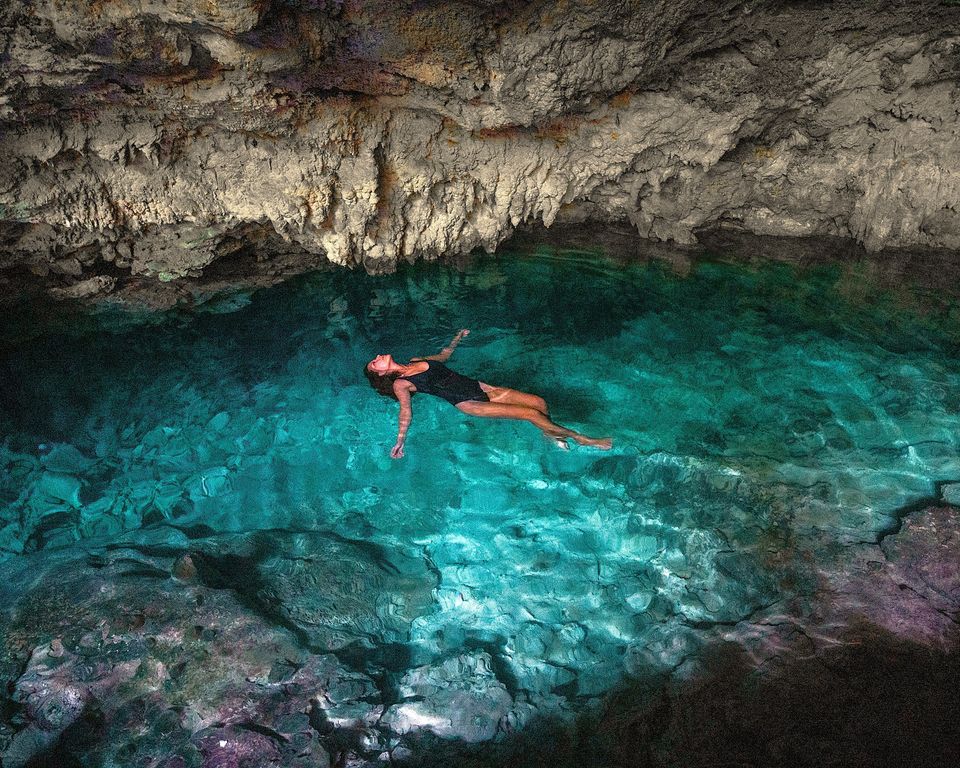
Beyond Jozani, there are smaller, less-visited natural areas like Ngezi Forest Reserve (on Pemba Island) and Kuza Cave in Jambiani. These spots offer a glimpse into Zanzibar’s ancient ecosystems from giant fruit bats to forest geckos. Guided tours reveal both the biological and cultural importance of these natural treasures.
📍 Location: Jambiani (Zanzibar) & Pemba Island
🌳 Best for: Eco-tourists and off-the-beaten-path explorers
🐾Responsible Wildlife Tourism in Zanzibar
Wildlife encounters in Zanzibar is precious, and travelers can help protect it by choosing ethical tour operators who respect animal welfare and natural habitats. Avoid tours that chase or feed wild animals, and option for eco-certified guides who promote sustainable practices.
Tip: Support local conservation projects like ZALA Park or the Sea Turtle Sanctuary to contribute to long-term protection.
🌞 Best Time for Wildlife Encounters
The best time for wildlife viewing in Zanzibar is during the dry seasons (June–October and December–March) when the weather is clear, forests are accessible, and snorkeling visibility is at its best.
🐢 FAQ: Wildlife Encounters in Zanzibar
1. What kind of wildlife can I see in Zanzibar?
Zanzibar is home to a rich variety of wildlife including the endangered red colobus monkey, sea turtles, dolphins, colorful reef fish, and over 100 bird species. You can spot wildlife both on land and underwater, from Jozani Forest to Mnemba Atoll.
2. Where is the best place to see animals in Zanzibar?
The top places for wildlife viewing include Jozani Chwaka Bay National Park for monkeys, Mnemba Atoll for snorkeling and marine life, and Kizimkazi for dolphin watching. For birdwatching, visit Chwaka Bay and Paje wetlands.
3. Can I see dolphins in Zanzibar?
Yes! Kizimkazi Village, on Zanzibar’s southern coast, is famous for spinner and bottlenose dolphins. To protect marine life, choose eco-friendly dolphin tours that follow responsible wildlife viewing guidelines.
4. Are there any national parks in Zanzibar?
Yes, Jozani Chwaka Bay National Park is Zanzibar’s only official national park. It’s a protected area that preserves native forests, mangroves, and the habitat of the red colobus monkey.
5. Is snorkeling good for wildlife viewing in Zanzibar?
Absolutely. Snorkeling at Mnemba Atoll and Nungwi reefs lets you experience vibrant coral gardens, sea turtles, and tropical fish up close. These areas are ideal for beginners and families who love marine adventures.
6. When is the best time to see wildlife in Zanzibar?
The best time for wildlife encounters is during the dry season (June–October) and the short dry period (December–March). The weather is clear, and snorkeling conditions are perfect during these months.
7. How can I enjoy wildlife responsibly in Zanzibar?
Always choose ethical and eco-certified tour operators, like Zancelebrate Tours, who respect animal habitats and promote sustainable practices. Avoid tours that chase dolphins or handle sea creatures.
❤️ Conclusion: Connect with Nature the Zanzibar Way
From land to sea, Zanzibar’s wildlife encounters reveal a different side of the island one filled with biodiversity, conservation, and community spirit. Whether you’re swimming beside sea turtles, watching dolphins leap at sunrise, or spotting red colobus monkeys in the forest canopy, every experience brings you closer to the heartbeat of nature.
📣 Book your wildlife adventure today!
📩 Plan your wildlife day trips with local experts like Zancelebrate Tours
🌱 See best-tours you can join today with Zancelebrate Tours
Whether you want to spot dolphins, meet giant tortoises, red colobus monkey, turtles and coral reefs we’ll help you plan the perfect wildlife adventure.
Why choose our tours?
- Eco-friendly and family-safe itineraries
- Expert local guides
- Custom options for marine and land safaris
Book your Zanzibar wildlife day trip today and discover the island’s most amazing creatures both on land and under the sea!
Ready to plan your family’s wild adventure in Zanzibar? 🐢🐬🐒
Further Reading
Read more about animal encounters with Zancelebrate Tours spot dolphins, colorful fish, red colobus monkey, Giant tortoise and giraffe through your eyes Travel stress-free
Learn more about Saadani National park, where the beach meets the bush
Explore Chumbe island coral park, Zanzibar’s leading marine conservation area