Family Resorts in Zanzibar: Kid-Friendly Stays for Your Next Holiday

Family Resorts in Zanzibar: Kid-Friendly Stays for Your Next Holiday

Planning a holiday with children can sometimes feel overwhelming but Zanzibar makes it easy. With its calm beaches, warm hospitality, and a variety of resorts designed specifically for families, this island paradise is one of the best destinations for a kid-friendly escape. Whether you’re traveling with toddlers, young children, or teenagers, family resorts in Zanzibar offer safe spaces, engaging activities, and plenty of fun for both parents and little ones.

Why Choose Zanzibar for a Family Holiday?

Safe Beaches: Shallow waters and gentle tides in areas like Nungwi and Kendwa make swimming with kids stress-free.

Warm Hospitality: Locals adore children, making families feel welcome everywhere they go.

Nature & Wildlife: From giant tortoises on Prison Island to playful monkeys in Jozani Forest, your kids get both education and adventure.

Easy to Explore: With private transfers and organized tours, moving around the island with kids is simple.

Top Family Resorts in Zanzibar

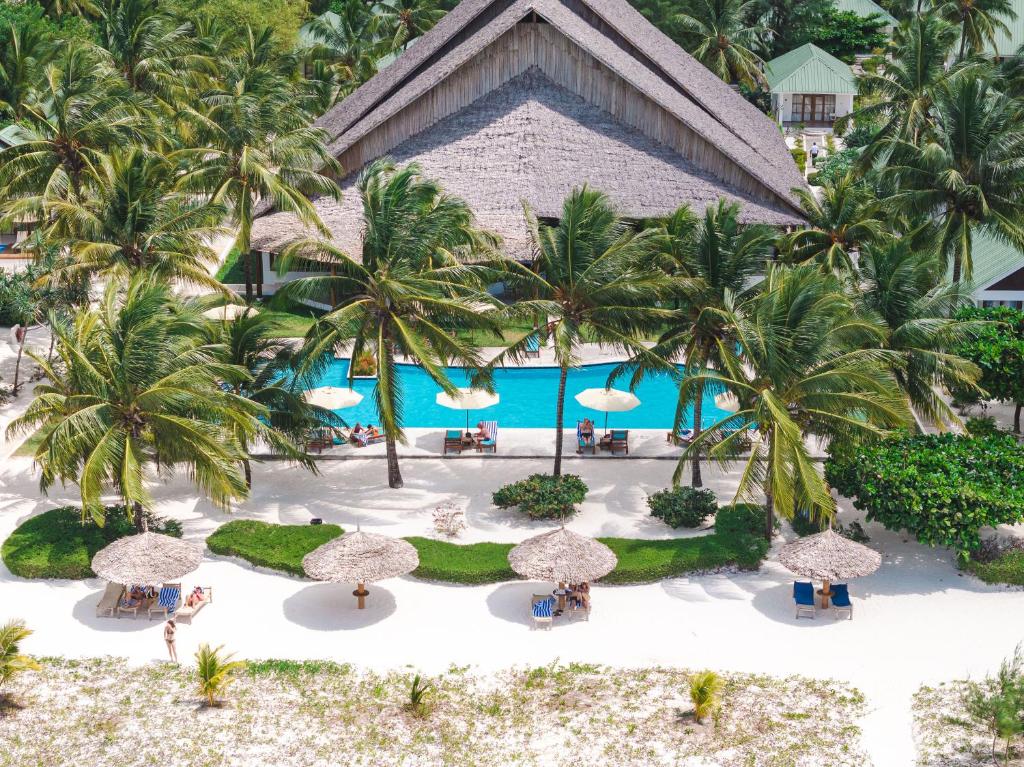
Bluebay Beach Resort & Spa – Kiwengwa

Known for its wide beachfront and lush gardens, this resort offers:

Dedicated kids’ club with supervised activities

Shallow pools perfect for toddlers

Family-sized suites with extra space
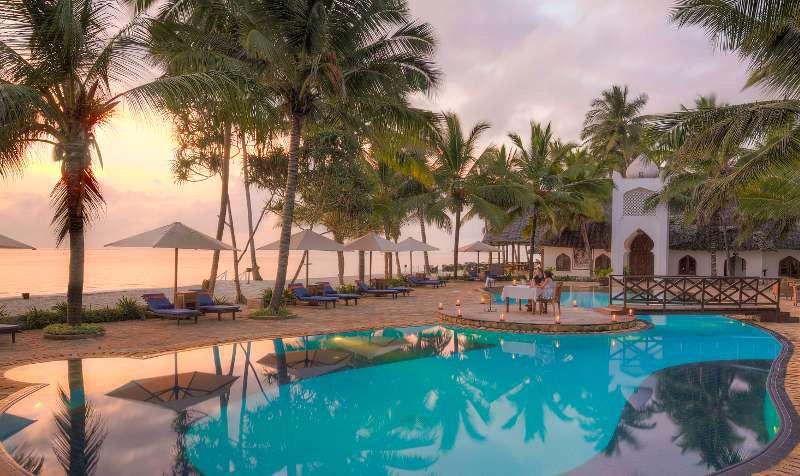
family resort in Zanzibar best kid-friendly stay

Gold Zanzibar Beach House & Spa – Kendwa

Perfect for families who love the beach:

Calm waters ideal for swimming with children

Large family villas

Babysitting services available
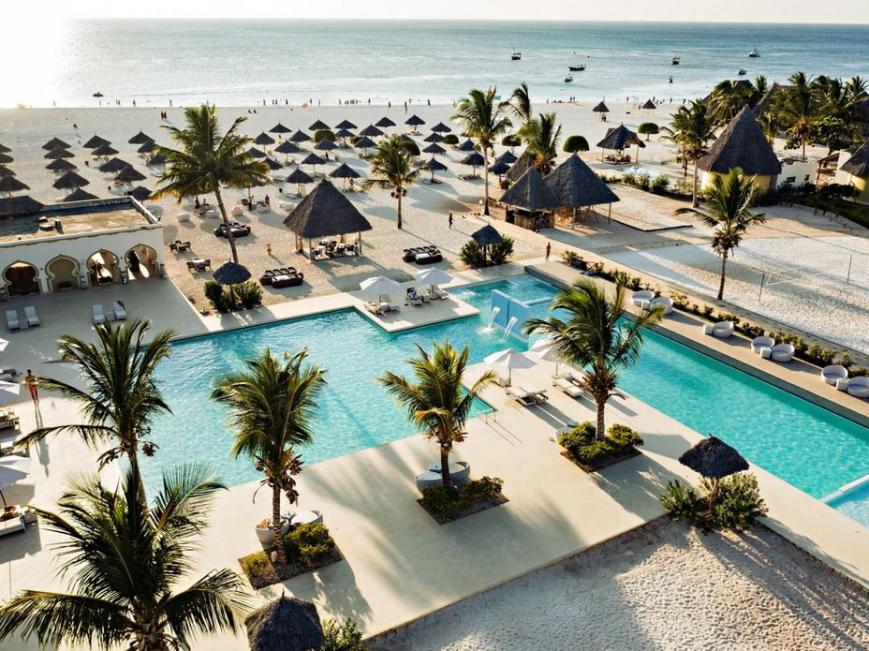
family resorts in Zanzibar best kids stay

Melia Zanzibar – Kiwengwa

A luxurious but family-friendly choice:

Kids’ club with daily entertainment

Safe swimming zones

Spacious all-inclusive dining options with child-friendly menus
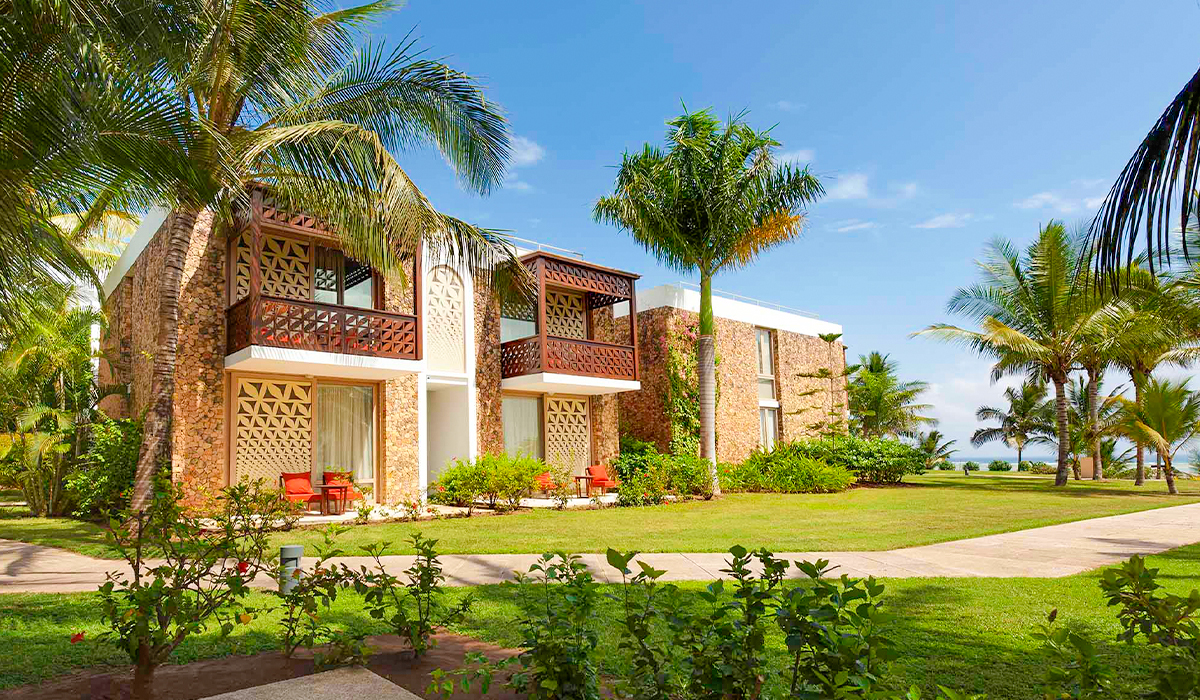
family resorts in Zanzibar melia Zanzibar home of children

Zuri Zanzibar – Kendwa

Designed for comfort and relaxation, offering:

Family bungalows surrounded by nature

Calm beaches safe for swimming

Eco-friendly vibe for educational travel with kids
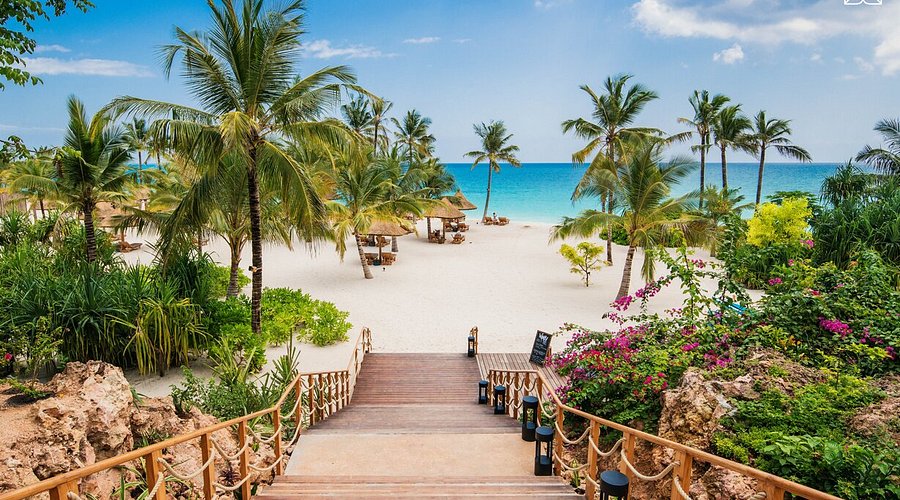
Zanzibar best resort for kids

Uroa Bay Beach Resort

An affordable yet family-friendly stay:

Playground and open spaces for kids

Family rooms with connecting options

Relaxed, welcoming atmosphere
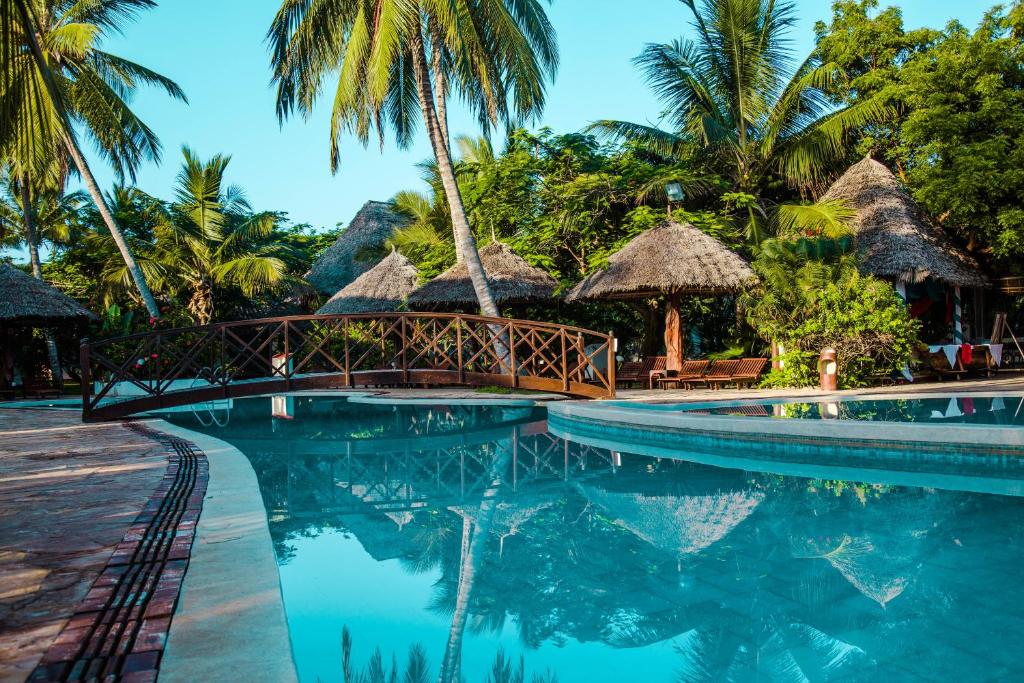
home of kids play ,best for swimming , kids club

Activities Highlights for Kids in Zanzibar Resorts

One of the best parts of staying at a family-friendly, all-inclusive resort in Zanzibar is the wide range of kid-focused activities. These ensure little ones are entertained while parents can relax or enjoy their own adventures.

Kids’ Clubs & Play Areas 🏰

Many resorts like The Residence and Royal Zanzibar offer supervised clubs with indoor and outdoor games, arts, and cultural activities.

Child-Friendly Pools 🏊

Shallow pools with lifeguards make it safe and fun for toddlers and young children.

Cooking Classes & Local Crafts 🍴🎨

Some resorts introduce kids to Swahili cooking, coconut weaving, or painting making learning fun.

Beach Games & Mini Sports

Volleyball, treasure hunts, sandcastle competitions, and beginner’s water sports are often included.

Wildlife & Nature Walks 🦎🌿

Guided walks around the resort gardens, butterfly spotting, and safe interaction with local wildlife help kids connect with nature.

Movie Nights & Entertainment Shows 🎬

Family-friendly evening entertainment under the stars keeps everyone happy.

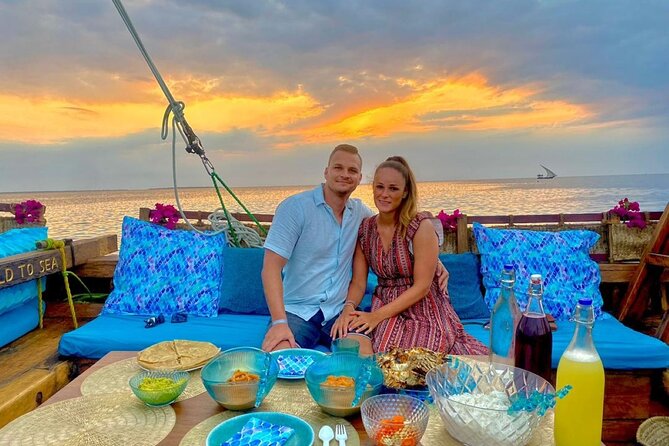
Tip for Parents: Always check if babysitting services are available at your chosen resort. It’s a great way to enjoy a romantic dinner or sunset dhow cruise while knowing your children are safe and entertained.

           Top Beachfront Safe Resorts in Zanzibar

      Resort Beach / Location What Make It Safe & Family-Friendly
Pomgwe Beach Hotel Pongwe Beach Calm, child-safe tidal shallows; beachfront room; low-key, peaceful atmosphere
Neptune Pwani Beach Resort & Spa Pwani Mchangani Spacious rooms, Children’s pool, shallow beach entry
Karafuu Beach Resort East Coast / South-East Zanzibar Situated on a sandy bay, family villas directly on the beach, gentle waters for kids to swim
Sea Cliff Resort & Spa Mangapwani ( near Stone Town) Secure setting, multiple pool, gentle waters kids amenities. Close enough to stone Town but with beach safety.
Bluebay Beach Resort & Spa Kiwengwa Beach Large white sand beach, children’s pool, kids club for young guest
Dream of Zanzibar Kiwengwa Beach Spacious beachfront layout, calm stretch of sand, lots of kid-friendly activities and pools.
Uroa bay Beach Resort Uroa Quiet beach, safer waters, good mid-range option with family-friendly services
Essque Zalu Zanzibar Northeast coast, near Nungwi Premium resort, calm seas in its bay, good reputation for services and safety for kids
Royal Zanzibar Beach Resort Beachfront Multiple pools, including kid’s pool; daily kid activities; lush garden ; good beach access

Family Travel Needs in Zanzibar

Comfortable & Safe Accommodation

  • Family suites, connecting rooms, or villas with extra space.
  • Childproofed spaces and safe pools.
  • Kid-friendly menus and flexible dining times.

Health & Safety Essentials

  • Access to medical services and pharmacies nearby.
  • Reliable drinking water (bottled water always available).
  • Sunscreen, mosquito repellent, and a basic first-aid kit.

Entertainment & Kid-Friendly Activities

  • Kids’ clubs and play areas at resorts.
  • Child-appropriate excursions (snorkeling in shallow lagoons, spice tours, gentle dhow cruises).
  • Board games, coloring books, or tablets for downtime.

Travel Convenience

  • Private transfers instead of public transport.
  • Lightweight strollers for toddlers.
  • Car seats available on request when booking drivers.

Food & Snacks

  • All-inclusive meal options to make eating stress-free.
  • Familiar snacks for picky eaters.
  • Fresh fruit and juices that kids will love.

Cultural & Educational Opportunities

  • Spice farm visits to teach kids about nature.
  • Prison Island to see giant tortoises.
  • Jozani Forest to spot monkeys and learn about conservation.

Packing Essentials for Families

  • Swimwear, sun hats, rash vests for kids.
  • Extra clothes (laundry might be slow at resorts).
  • Favorite toys or comfort items from home.

Tip: Families traveling to Zanzibar should always balance relaxation with short, engaging activities to keep kids entertained and parents stress-free.

Activities Families Can Enjoy Together

Snorkeling in Shallow Lagoons

Perfect for older kids who want to see colorful fish.

Spice Farm Tours

An educational and fun way for kids to learn about plants and flavors.

Dhow Cruises at Sunset

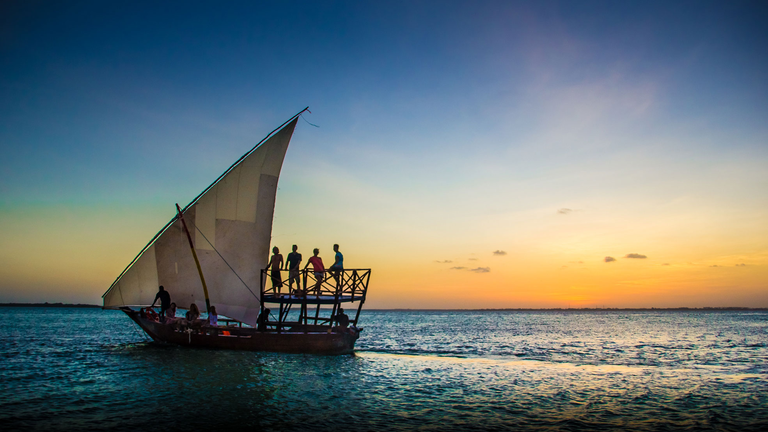
A gentle, magical ride safe for families.

Animal Encounters

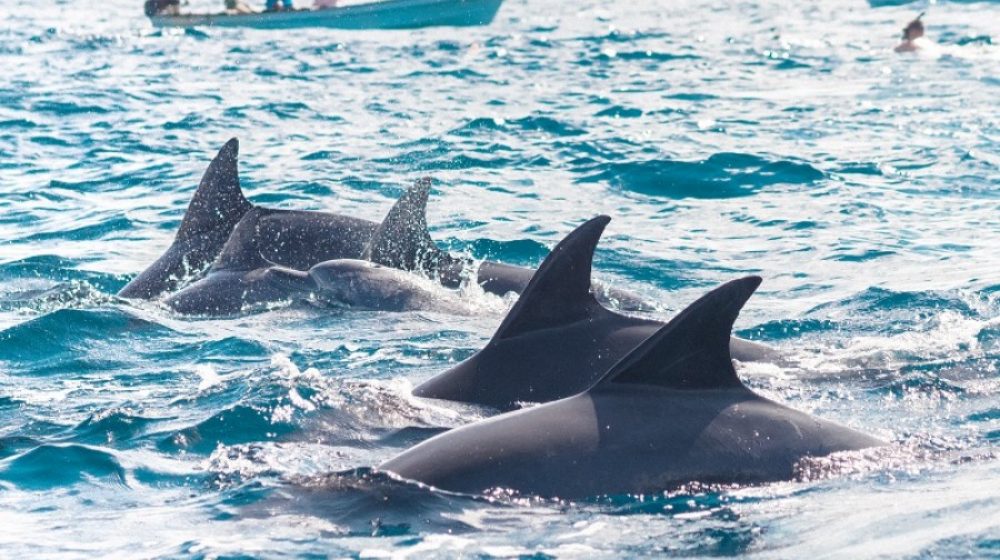
From turtles in Nungwi to dolphins in Kizimkazi.

Travel Tips for Families Visiting Zanzibar

  • Pack Sun Protection: Sunscreen, hats, and sunglasses are a must for little ones.
  • Stay Hydrated: Always carry bottled water, especially for toddlers.
  • Choose All-Inclusive Resorts: Easier meals, snacks, and flexibility for picky eaters.
  • Book Transfers in Advance: Private drivers make travel smoother with kids.

Conclusion

Zanzibar is more than a romantic destination it’s a paradise for families too. With family resorts in Zanzibar offering safe spaces, fun-filled activities, and child-friendly amenities, your holiday will be as stress-free as it is unforgettable. Whether you want luxury or budget-friendly comfort, you’ll find a resort that makes every family member happy.

Call to Action

🌱 See best-tours you can join today with Zancelebrate Tours

“Why wait for the perfect family holiday? Safe beaches, kids’ clubs, and endless fun await you in Zanzibar’s top resorts.

“Turn family dreams into reality book your kid-friendly Zanzibar resort today and let every sunrise be a new adventure!”

“Family time is precious make it unforgettable with a Zanzibar getaway where comfort meets adventure for all ages.”

Ready for your dream family holiday? Book your stay at one of the best family resorts in Zanzibar and let your kids experience paradise safely.

Further reading

Discover the best family resorts in Zanzibar with TripAdvisor safe beaches, kids’ clubs, and endless fun await you in Zanzibar’s top resorts.

Explore best Family resort with Booking.com while you relax in paradise family-friendly stay in Zanzibar today.


Best Eco-Friendly Activities in Zanzibar: Sustainable Travel Guide

Best Eco-Friendly Activities in Zanzibar: Sustainable Travel Guide

Zanzibar isn’t just about pristine beaches and turquoise waters it’s also a destination where you can explore responsibly. If you’re a traveler who cares about sustainability, you’ll be glad to know that Zanzibar offers plenty of eco-friendly activities that allow you to enjoy its beauty while preserving it for future generations. From wildlife encounters to community-led tours, here are the best eco-friendly activities in Zanzibar.

  1. Visit Jozani Forest and Support Conservation

A trip to Jozani Chwaka Bay National Park is a must for eco-conscious travelers. This lush forest is home to the rare red colobus monkey, found only in Zanzibar. By paying the small entry fee, you directly support conservation efforts and the protection of mangroves and unique flora.

best eco-friendly activities in Zanzibar at jozani forest

  1. Explore Zanzibar by Kayak in the Mangroves

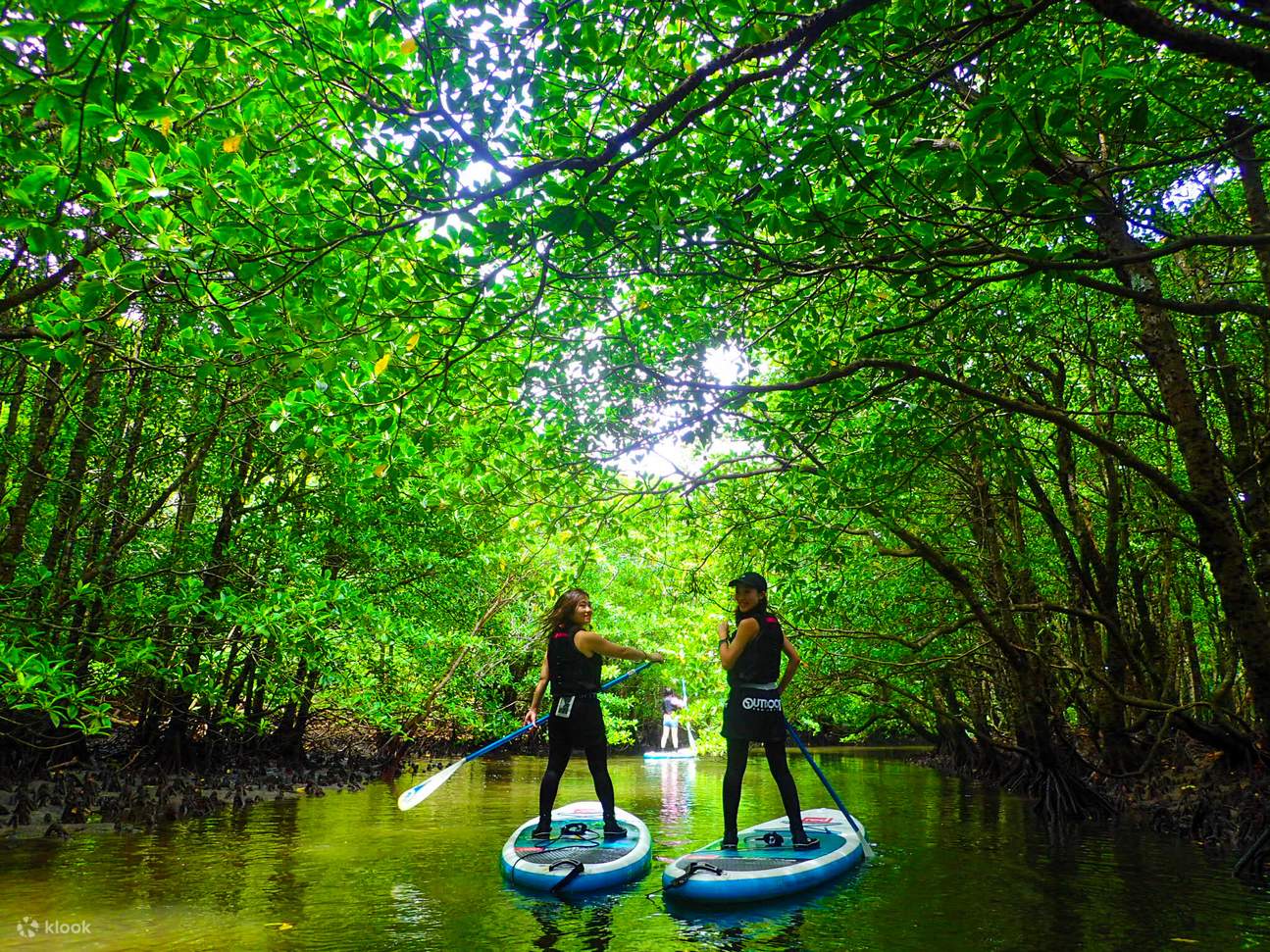
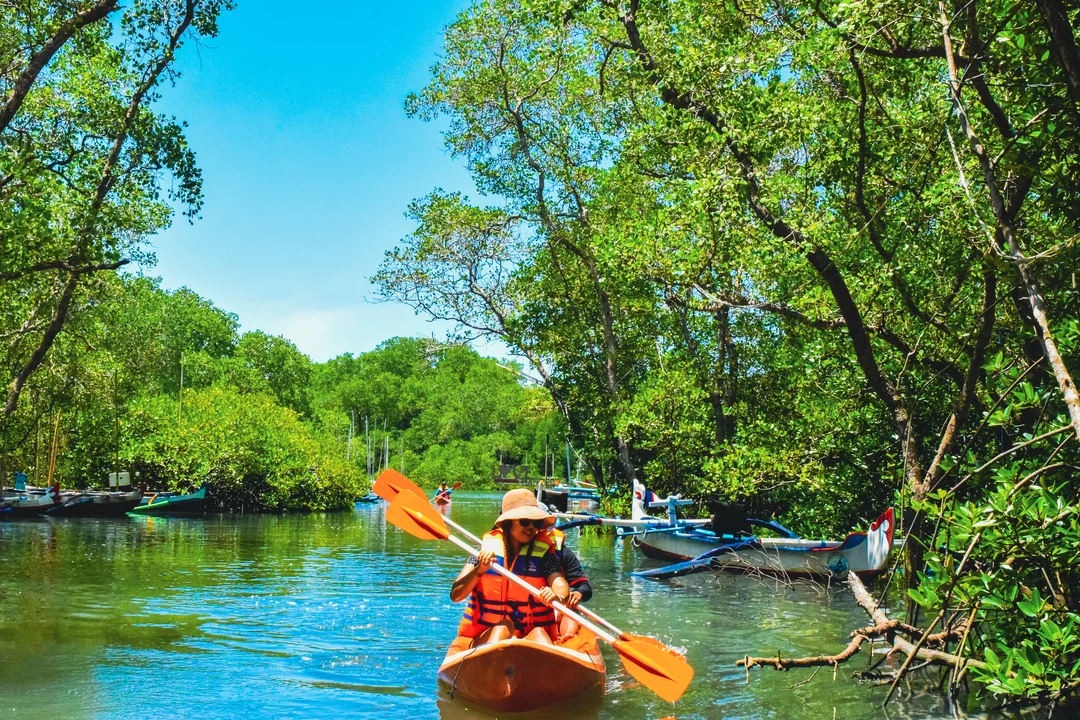
Instead of motorboats, option for a transparent kayak tour through the mangroves. It’s a quiet, non-polluting way to enjoy Zanzibar’s fragile ecosystems. You’ll glide across calm waters while spotting fish, crabs, and migratory birds all without leaving a carbon footprint.

best eco-friendly activities in Zanzibar mangrove kayak

  1. Snorkel Responsibly at Mnemba Atoll

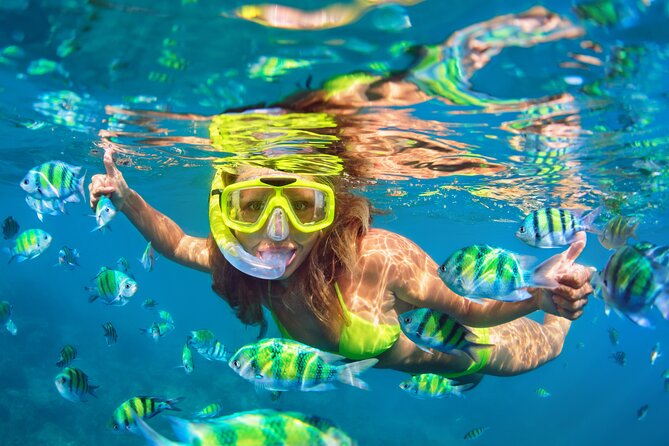
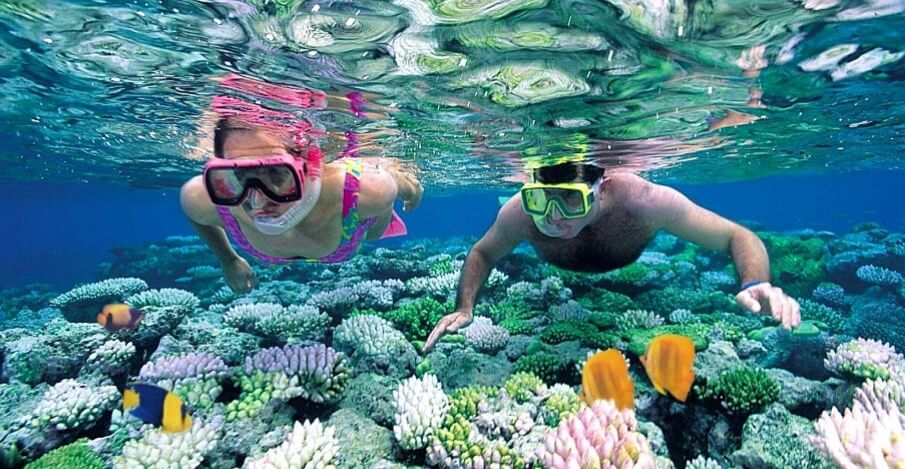
Mnemba Atoll is famous for its vibrant coral reefs and marine life. Choose an operator that follows sustainable snorkeling guidelines like avoiding reef contact and respecting marine animals. This way, you enjoy the ocean’s beauty while protecting its delicate ecosystem.

best eco-friendly activities in Zanzibar snorkel responsibly at mnemba atoll

  1. Join a Community Spice Farm Tour

Spices are the soul of Zanzibar, and many small farms welcome visitors. Unlike commercial plantations, community spice farms are eco-friendly and locally run. You’ll learn how spices like cloves, cinnamon, and nutmeg grow, and your visit directly supports village families.

spice farm tours tourism enjoy and test tropical fruits

  1. Take Part in Beach Clean-Up Activities

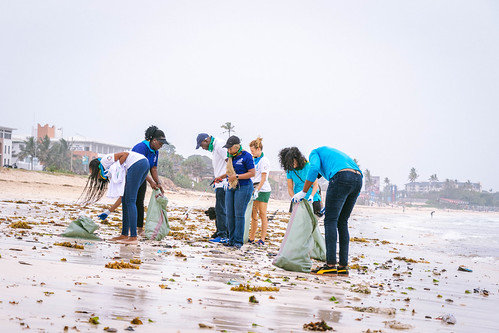
Zanzibar’s coastline is stunning, but like many islands, it faces plastic pollution. Some local organizations and resorts host beach clean-up days where travelers can join. It’s a rewarding way to give back while meeting locals and fellow eco-minded tourists.

join beach clean make Zanzibar stunning beaches world wide

  1. Stay at Eco-Lodges and Sustainable Resorts

From solar-powered beach bungalows to resorts that recycle water, Zanzibar has a growing number of eco-lodges. Staying at these properties reduces your environmental impact while offering authentic island experiences. Popular eco-stays often use local materials and support nearby communities.

  1. Experience Ethical Dolphin Watching in Kizimkazi

If swimming with dolphins is on your list, do it the responsible way. Ethical operators in Kizimkazi focus on observing dolphins without chasing or stressing them. It’s a humane and sustainable alternative that ensures future generations can enjoy these marine encounters.

swimming ethical with dolphin in kizimkazi Zanzibar

  1. Support Local Artisans and Handicrafts

Instead of buying mass-produced souvenirs, shop at markets where local artisans sell handmade items like woven baskets, wooden carvings, and jewelry. This supports community livelihoods and reduces the demand for imported goods with heavy carbon footprints.

support local community and artisans for travel sustainably

Why Choose Eco-Friendly Activities in Zanzibar?

Traveling sustainably doesn’t mean sacrificing fun it means making choices that benefit the environment and local communities. By joining eco-friendly tours, staying in responsible resorts, and respecting local traditions, you become part of preserving Zanzibar’s magic for the future.

🌿 Top Eco-Friendly Hotels & Lodges in Zanzibar

Chumbe Island Coral Park

This award-winning eco-lodge is a true paradise for sustainable travelers. Powered entirely by solar energy and rainwater catchment, it combines rustic comfort with conservation. Staying here directly funds the protection of one of Zanzibar’s richest marine parks.

Fumba Beach Lodge

Set on Zanzibar’s southwest coast, Fumba Beach Lodge is an eco-retreat that blends into its natural surroundings. The lodge emphasizes eco-architecture, offers solar-powered facilities, and supports local communities through fair employment.

Matemwe Lodge (Asilia Africa)

Located near Mnemba Atoll, Matemwe Lodge is known for its eco-conscious operations. The resort supports marine conservation, works with local fishermen, and offers eco-friendly snorkeling and diving excursions.

Emerson on Hurumzi (Stone Town)

This boutique eco-hotel in the heart of Stone Town is set in a restored historical building. It reduces waste, promotes Swahili culture, and supports local artisans by sourcing furniture and crafts from the community.

Pongwe Beach Hotel

Pongwe Beach Hotel is a tranquil eco-retreat that minimizes energy use and promotes sustainable tourism. Its location on a quiet bay makes it ideal for travelers seeking serenity while supporting low-impact travel.

Chole Mjini Eco-Lodge (Mafia Island, near Zanzibar)

Though slightly outside Zanzibar, this eco-lodge deserves a mention. Built around ancient ruins and giant baobab trees, it runs on solar power and promotes sustainable island living, making it perfect for adventurous eco-travelers.

Sharazād Boutique Hotel

Sharazād promotes eco-friendly practices like waste management and supporting nearby villages. Nestled along Jambiani Beach, it’s a stylish choice for those who want luxury with sustainability.

Why Choose Eco-Lodges in Zanzibar?

By staying at these eco-friendly hotels and lodges, you’re not just enjoying paradise—you’re also:

  • Supporting conservation efforts
  • Reducing your carbon footprint
  • Empowering local communities
  • Helping preserve Zanzibar’s natural beauty for future generations

Ready to Experience Zanzibar the Eco-Friendly Way?

“Meet Zanzibar’s wildlife the sustainable way. Join eco-tours that protect turtles, dolphins, and forests for generations to come.”

“Want to kayak through the mangroves with a local guide? Book your eco-tour here.”

“Turn your Zanzibar trip into a journey that gives back. Book your eco-friendly adventure today and travel with purpose.”

“Ready to snorkel, sail, and explore without leaving a footprint? Let us plan your sustainable Zanzibar experience.”

“Swim with dolphins the ethical way. Choose eco-tours that protect Zanzibar’s marine life while giving you unforgettable memories.”

“Escape the crowds, discover hidden eco-gems, and reconnect with nature. Start planning your responsible Zanzibar holiday now.

📩 Book Your Zanzibar Adventure Today

Plan a sustainable itinerary tailored to your style

Get access to trusted eco-tours and local guides like Zancelebrate Tours

Stay at handpicked eco-lodges and boutique hotels with Booking.com

Travel with peace of mind knowing you’re supporting local communities

👉 Contact Zancelebrate Tours today to start planning your eco-friendly Zanzibar experience where every journey protects the beauty of the island.

Further reading

Discover more eco-friendly activities with Zancelebrate Tours see real Zanzibar beautifully. responsibly and sustainably

Travel beautifully, travel responsibly. Discover Zanzibar’s eco-friendly side with Marine Megafauna Foundation

Swimming with Dolphins in Kizimkazi: What You Need to Know

swimming with dolphin in kizimkazi

Swimming with Dolphins in Kizimkazi: What You Need to Know

Dreaming of swimming alongside wild dolphins in kizimkazi in crystal-clear waters? Kizimkazi, a traditional fishing village on Zanzibar’s southern coast, is one of the best spots in East Africa to experience this magical encounter. Known for its dolphin pods, calm turquoise waters, and rich marine life, Kizimkazi has become a must-do activity for adventure seekers and nature lovers visiting Zanzibar.

In this guide, we’ll cover everything you need to know about dolphin tours in Kizimkazi, from the best time to go and tour options to ethical practices and family-friendly tips.

swimming with dolphin in kizimkazi

🕌 History & Culture of Kizimkazi

Kizimkazi isn’t only famous for dolphins it’s also one of Zanzibar’s oldest settlements, offering a fascinating mix of culture and history.

The Kizimkazi Dimbani Mosque

Built in the 12th century, this mosque is considered one of the oldest Islamic structures in East Africa. Its ancient inscriptions, Persian-Arabic architecture, and coral stone walls tell stories of Zanzibar’s early trade with Arabia and Persia. It remains a spiritual landmark and a symbol of the island’s long Islamic heritage.

A Village Steeped in Tradition

Unlike the bustling northern beaches, Kizimkazi retains its authentic fishing village lifestyle. You’ll see dhows (traditional wooden boats) setting sail at dawn, fishermen bringing in their daily catch, and families living in close connection with the ocean.

Cultural Connection

Visiting Kizimkazi gives travelers the chance to experience local Swahili culture from tasting fresh seafood grilled right by the beach, to engaging with villagers and learning about their daily lives.

Blend of Nature & History

This combination of ancient Islamic heritage, living coastal traditions, and incredible marine wildlife makes Kizimkazi a rare destination where history, culture, and nature come together.

Why Kizimkazi is Famous

Kizimkazi, a peaceful fishing village located on the southern coast of Zanzibar, has earned worldwide fame for its wild dolphin encounters. Unlike aquariums or dolphin shows, Kizimkazi offers travelers the rare chance to see and swim alongside dolphins in their natural habitat.

But dolphins are not the only reason Kizimkazi shines:

🐬 Dolphin Spotting Capital: Home to both bottlenose and humpback dolphins, the village has become the island’s most popular spot for responsible dolphin tours.

🕌 Historic Mosque: Kizimkazi is home to the Kizimkazi Dimbani Mosque, one of the oldest Islamic buildings in East Africa, dating back to the 12th century.

🌴 Scenic Coastal Life: Its authentic fishing culture, quiet beaches, and traditional dhow boats give visitors a glimpse of Zanzibar’s timeless coastal charm.

🌊 Gateway to the Ocean: The calm southern waters make it a hub for snorkeling, diving, and eco-tours, attracting both families and adventure travelers.

This mix of marine life, history, and authentic local culture makes Kizimkazi more than just a dolphin-watching destination it’s a place where visitors connect deeply with the soul of Zanzibar.

Why Kizimkazi is Famous for Dolphins

Kizimkazi is unique because it’s home to both bottlenose dolphins and humpback dolphins, making sightings very common. Unlike many tourist destinations where dolphins are seen only occasionally, here they live year-round. This makes Kizimkazi one of the most reliable dolphin watching spots in Zanzibar.

Beyond dolphins, the area is also rich in marine biodiversity, with colorful reefs perfect for snorkeling before or after your dolphin experience.

The Experience: What to Expect on a Dolphin Tour

A typical swimming with dolphin excursion in Kizimkazi starts early in the morning when the ocean is calm and dolphins are most active.

  • Boat Ride: Small wooden boats take you out from the beach.
  • Dolphin Sightings: You’ll see pods swimming, playing, and occasionally jumping out of the water.
  • Swimming & Snorkeling: With the right timing, you may swim near them, though it’s important to respect their space.
  • Snorkeling Reefs: Many tours also include snorkeling at coral reefs, adding more value to the trip.
  • Tours usually last 2–3 hours: making them perfect for a half-day adventure.

🕒 Best Time of Year to See Dolphins in Kizimkazi

Dolphins can be spotted in Kizimkazi all year round, thanks to Zanzibar’s warm waters and rich marine life. However, some seasons are more favorable:

June to October (Dry Season): The sea is calm, visibility is excellent for snorkeling, and the weather is cooler and less humid. This is the best season for family tours and photography.

December to February (Short Dry Season): Another great period with sunny skies, calm seas, and high chances of dolphin sightings. Perfect for couples and honeymooners.

March to May (Long Rainy Season): Dolphins are still present, but frequent rain, rough seas, and low visibility make tours less comfortable. Few operators run consistently during heavy rains.

November (Short Rains): Quick showers are common, but mornings often remain clear. Good if you want fewer crowds.

👉 Best Overall Months: June, July, August, September, December, January.

Best Time of Day to Swim with Dolphins

Dolphins are most active in the early morning when the ocean is calm and fewer boats are around.

5:30 AM – 7:00 AM: Highest chance to see dolphins before crowds arrive. Magical sunrise on the ocean.

7:00 AM – 9:00 AM: Still excellent, though slightly busier. Best for families with kids who don’t want a pre-dawn start.

Late Morning & Afternoon: Dolphins retreat to deeper waters, making sightings less reliable. Sea conditions are also rougher.

👉 Insider Tip: Book the first boat of the day for the most respectful and authentic dolphin experience.

Ethical Dolphin Watching: Travel Responsibly

One of the most important things to know is that not all dolphin tours in Zanzibar are eco-friendly. Some boats overcrowd or chase dolphins, causing stress to these intelligent creatures.

For a sustainable and memorable experience:

  • Choose operators who follow responsible guidelines (no chasing, limited group sizes).
  • Always keep a safe distance when swimming.
  • Avoid touching or feeding dolphins.
  • Support tours that combine dolphin watching with marine conservation efforts.

This ensures you have a magical encounter without harming the dolphins or their habitat.

Family-Friendly Tips for Dolphin Tours

If you’re traveling with kids, Kizimkazi dolphin tours can be a highlight, but preparation matters:

  • Pick early tours to avoid strong waves.
  • Bring life jackets for kids (many tours provide them, but double-check).
  • Use reef-safe sunscreen to protect your skin and the ocean.
  • Carry water, hats, and snacks for little ones.

Where to Book Dolphin Tours in Kizimkazi

Several local operators and travel companies offer dolphin excursions. You can book:

Through Stone Town or Nungwi-based tour companies. Example Zancelebrate Tours

Directly in Kizimkazi village, supporting local guides.

As part of a private luxury boat package that includes snorkeling, sandbanks, and seafood lunch.

Conservation Efforts in Kizimkazi

Efforts are growing to make dolphin tourism sustainable in Zanzibar. Community-led programs and NGOs are working with local fishermen and guides to:

  • Limit boat numbers.
  • Educate tourists about eco-friendly practices.
  • Protect marine habitats for dolphins and other species.
  • By booking with ethical operators, you directly support these initiatives.

🔍 What to Look for / Ask When Booking

To choose the best tour, especially if you’re traveling with kids or concerned about impact, here are things to check:

  • Ethical practice: Does the operator follow “dolphins first” rules (don’t chase, don’t crowd, let dolphins come to you)?
  • Early departure: Morning tours are more likely to offer calm seas and better dolphin activity.
  • Safety gear: Life jackets, well-maintained boats, guides who are trained.
  • Group size: Smaller groups tend to mean less disturbance and a better personal experience.
  • Combination tours: Snorkeling + dolphin tours + maybe a cultural site or nature (Jozani Forest, old mosques) can add value.
  • Price transparency: What’s included (gear, transport, hotel pickup, etc.) so there are no surprises.

🐬 Frequently Asked Questions about Swimming with Dolphins in Kizimkazi

  1. Is it ethical to swim with dolphins in Kizimkazi?

Yes, when done with licensed, responsible tour operators who follow ethical guidelines. Reputable tours in Zanzibar avoid chasing or stressing the dolphins, ensuring that you experience them in their natural environment respectfully.

  1. What is the best time of year to see dolphins in Kizimkazi?

The best months are July to October and January to March, when the seas are calm and visibility is excellent. Early morning tours (around 6:00–7:00 AM) give you the highest chance of spotting dolphins.

  1. Can kids join dolphin tours in Zanzibar?

Yes, many dolphin tours in Kizimkazi are family-friendly. Children can enjoy boat rides and may snorkel in calm waters, though age restrictions vary by operator. Always check safety requirements in advance.

  1. Do I need to be a good swimmer to join a dolphin tour?

Not necessarily. Life jackets and snorkeling gear are usually provided. However, basic swimming ability will help you feel more comfortable in the water. Non-swimmers can still enjoy watching dolphins from the boat.

  1. Are dolphin tours safe in Zanzibar?

Yes, tours are generally safe when booked with licensed operators. Boats are equipped with safety gear, and professional guides ensure travelers follow eco-friendly and safe practices.

  1. How much does a dolphin tour in Kizimkazi cost?

Prices typically range from $30 to $60 per person, depending on the operator and whether snorkeling equipment, transfers, or meals are included. Luxury private tours may cost more.

  1. Can I combine dolphin watching with other Zanzibar activities?

Absolutely! Many tours combine dolphin watching with snorkeling at nearby reefs, visiting Jozani Forest, or exploring the Spice Farms, making it a full-day adventure.

Conclusion

Swimming with dolphins in Kizimkazi is one of the most unforgettable experiences in Zanzibar but it’s essential to do it responsibly. With its year-round dolphin presence, beautiful reefs, and rich cultural backdrop, Kizimkazi offers the perfect balance of adventure and conservation.

Whether you’re a couple seeking romance, a family with kids, or a solo traveler chasing adventure, a dolphin tour here promises a memory you’ll cherish forever.

Call to Action

📩 Plan your dolphins trip with local experts like Zancelebrate Tours

🌱 See best-tours you can join today with Zancelebrate Tours

📍 Discover where to stay in Zanzibar with Booking.com

Ready to dive into an unforgettable dolphin experience? Book a responsible dolphin tour in Kizimkazi today and be part of the movement that keeps Zanzibar’s marine life thriving for generations to come.

Further reading

Discover more what you can experience a respectful and ethical dolphins encounter with Zancelebrate Tours

Love dolphins ? Travel responsible learn more and explore sustainable dolphins watching with The dolphin project education and advocacy


Sunset Dhow Cruise in Zanzibar: A Must-Do Experience

Sunset Dhow Cruise in Zanzibar: A Must-Do Experience

Introduction: Why a Sunset Dhow Cruise is Special

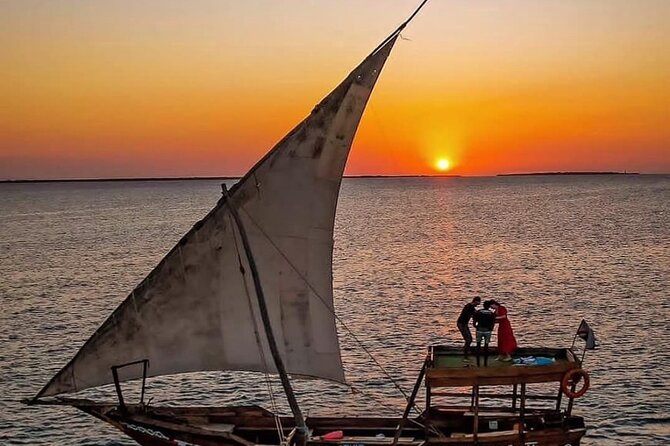
If there’s one activity that truly captures the romance and adventure activities spirit of Zanzibar, it’s a sunset dhow cruise. Picture yourself gliding across the turquoise waters of the Indian Ocean in a traditional wooden sailing boat, the wind filling the sails as the golden sun slowly dips beneath the horizon. A Zanzibar sunset dhow cruise is more than just a boat ride it’s an unforgettable cultural and sensory journey.

The Magic of Zanzibar Sunsets

Few places on Earth can rival the sunset magic of Zanzibar. As the day winds down, the island is bathed in golden, pink, and fiery orange hues, painting the Indian Ocean with breathtaking reflections. Watching the sun dip below the horizon here is not just a view it’s an experience of pure serenity and romance for couple

Colors That Tell a Story

Each evening brings a different canvas. Some nights, the sky glows soft and pastel; other nights, it bursts into a dramatic blaze of deep reds and purples. On the water, every wave catches the light, making the ocean look like liquid gold.

Sunset with a Cultural Touch

When you witness a Zanzibar sunset from a traditional dhow, it feels like traveling back in time. The sails catch the wind, and the gentle creak of wood blends with the soft waves just as traders and sailors experienced hundreds of years ago. The sunset becomes more than beautiful; it becomes timeless.

Romantic & Spiritual Moments

Couples, it’s a moment of intimacy and connection. To solo travelers, it’s a chance to reflect in nature’s beauty. For families, it’s a shared memory that lasts a lifetime. Locals often call it the “hour of blessings,” when the island slows down, and people gather to appreciate life’s simple gifts.

What is a Dhow?

Dhows are traditional wooden sailing vessels that have been used in Zanzibar for centuries, once carrying traders across the Swahili Coast. Today, these boats have been adapted for tourism, offering travelers a chance to step back in time and experience the island’s history while enjoying modern comforts like drinks, snacks, and live music on board.

The History of Dhow Sailing in Zanzibar

Dhows are more than just wooden boats they are timeless symbols of the Indian Ocean’s trading past. These elegant vessels, with their triangular lateen sails, have been gliding across the waters of East Africa, the Middle East, and India for over 1,000 years.

Origins of the Dhow

The dhow design is believed to have originated in the Arabian Peninsula, later spreading to East Africa through trade and cultural exchanges. For centuries, they were the backbone of commerce, carrying spices, ivory, gold, and slaves across the ocean.

Dhows in Zanzibar’s Spice Trade

Zanzibar, known as the “Spice Island,” became a hub of dhow sailing in the 18th and 19th centuries. Dhows linked Zanzibar to Oman, India, and beyond, transporting cloves, nutmeg, cinnamon, and pepper to global markets. They made Zanzibar a jewel of the Indian Ocean trade routes.

Navigation by the Monsoon Winds

What made dhows unique was their ability to harness the monsoon winds.

Kaskazi (north-easterly wind, Nov–Mar) carried merchants from Arabia and India to Zanzibar.

Kusi (south-easterly wind, Apr–Oct) took them back home, laden with spices and goods.

This natural rhythm shaped Zanzibar’s economy, culture, and even its festivals.

Dhows Today: From Trade to Tourism

While modern cargo ships have replaced dhows for trade, they remain a living heritage in Zanzibar. Local fishermen still use smaller dhows daily, while larger ones have been lovingly restored for tourism.

Today, a sunset dhow cruise is more than a sightseeing trip it’s a chance to step into history, sail the same waters as ancient traders, and experience the maritime culture that shaped Zanzibar.

Fun fact: Many of the dhows you see in Zanzibar are still handcrafted using age-old techniques, with planks of wood tied together using coconut rope just like centuries ago.

Best Places for a Sunset Dhow Cruise in Zanzibar

1. Stone Town

Sail past the historic waterfront and watch the city glow at dusk

Why here? Watching the sun dip behind the horizon with Stone Town’s skyline in the background is magical. You’ll see historic forts, mosques, and the twinkling lights of the city as night falls

Extra Perk: Easy to combine with a walking tour or Forodhani Garden street food experience.

sunset dhow cruises in Zanzibar at stone town

2. Nungwi Beach

Northern beaches with calm seas and some of the most dramatic sunsets.

Why here? Nungwi is known for its crystal-clear waters, white sandy beaches, and perfect views of the sun setting directly over the Indian Ocean.

Extra Perk: You might spot fishermen returning with their catch, adding a real local touch.

sunset dhow for honeymooners

3. Kendwa Beach

Northern beaches with calm seas and some of the most dramatic sunsets.

Why here? Kendwa offers one of the most romantic settings in Zanzibar. Its wide beach and calm waters are ideal for couples wanting a quiet, private sunset cruise.

Extra Perk: Often less crowded than Nungwi, giving it a more intimate vibe.

sunset dhow cruises in Zanzibar perfect for couple

Why Choose a Sunset Dhow Cruise in Zanzibar?

Unmatched Views: Witness the Indian Ocean painted in hues of orange, pink, and purple.

Romantic Atmosphere: Perfect for couples, honeymooners, or anyone looking to soak in a magical evening.

Cultural Touch: Many cruises feature traditional taarab music or live drumming, adding to the authentic experience.

Luxury Comforts: Sip cocktails or fresh coconut water while watching dolphins play in the distance.

What to Expect on a Sunset Dhow Cruise in Zanzibar

Booking a sunset dhow cruise means you’re signing up for a magical evening of relaxation, culture, and scenery. Here’s exactly what you can expect from start to finish:

Warm Welcome on Board

As you step onto the handcrafted dhow, you’ll be greeted with friendly smiles from the crew. Many cruises offer a refreshing welcome drink like fresh coconut water, tropical juice, or even a chilled glass of champagne on luxury charters.

Comfortable Seating & Ocean Breeze

Traditional dhows are designed with wooden decks, large sails, and cozy seating areas with cushions. You’ll settle in comfortably as the dhow slowly drifts away from shore, letting the sea breeze and sound of the waves set the mood.

Sailing into the Sunset

The dhow sets sail into the turquoise waters of the Indian Ocean. As the sun begins its descent, you’ll watch the sky transform into shades of gold, orange, and purple perfect for breathtaking photos.

Local Snacks & Refreshments

Most tours serve light bites such as samosas, fresh fruits, or seafood nibbles. Drinks like wine, cocktails, or soft beverages are often included, depending on the package.

Cultural Touches

Some operators add extra charm with local taarab music, drumming, or storytelling about Zanzibar’s Swahili heritage and dhow history making it more than just a boat trip.

Wildlife Encounters (If Lucky)

Keep your eyes on the ocean dolphins often play near the boats, and seabirds fly gracefully overhead, adding a natural surprise to your journey.

A Magical Return to Shore

As darkness sets in, the dhow slowly sails back toward shore. The twinkling lights of Stone Town or the peaceful quiet of the northern beaches will welcome you back, leaving you with an unforgettable memory.

Sunset Dhow Cruise in Zanzibar: Price Breakdown

Budget Sunset Dhow Cruises

💵 Price Range: $25 – $40 per person

🚤Prices Included:

  • Shared dhow with other travelers
  • Light snacks (fruit platters, samosas, or fried cassava)
  • Soft drinks or bottled water

Best For: Backpackers, solo travelers, or families looking for an affordable yet magical evening on the water.

Mid-Range Sunset Dhow Cruises

💵 Price Range: $50 – $80 per person

🚤Prices Included:

  • Semi-private dhow experience
  • Selection of snacks (seafood bites, tropical fruits, Swahili pastries)
  • Choice of beverages (soft drinks, beer, or a glass of wine)
  • Local live music or storytelling onboard

Best For: Couples, small groups, or families who want both comfort and culture without breaking the bank.

Luxury Sunset Dhow Cruises

💵 Price Range: $120 – $200+ per person (private charters can go higher)

🚤 Prices Included:

  • Private dhow or exclusive group charter
  • Gourmet dinner (grilled lobster, prawns, fresh catch of the day)
  • Champagne, cocktails, and fine wines
  • Personalized service, with optional extras like photography or live band

Best For: Honeymooners, luxury travelers, and anyone who wants a once-in-a-lifetime Zanzibar experience.

Pro Tip: Prices vary depending on the departure point (Stone Town, Nungwi, or Kendwa), inclusions, and whether the cruise is shared or private. Always confirm what’s covered before booking.

What to Expect on Your Cruise

  • A typical Zanzibar sunset dhow cruise lasts around 2–3 hours and includes:
  • Welcome drinks upon boarding
  • Comfortable seating on traditional wooden decks
  • A slow sail into the ocean for uninterrupted sunset views
  • Local snacks and refreshments
  • Sometimes live music or storytelling about the dhow’s history
  • Luxury operators may also offer private charters, gourmet dinners, or champagne toasts for a more exclusive experience.

Tips for the Best Experience

  • Bring your camera: The golden hour in Zanzibar is magical for photography.
  • Dress comfortably: Light clothes and a shawl for the breeze are perfect.
  • Book in advance: Sunset cruises are very popular, especially during high season.
  • Consider a moonlit cruise: For a unique twist, some tours also offer starlit dhow experiences.

Why a Sunset Dhow Cruise is a Must-Do in Zanzibar

Zanzibar offers countless adventures, but a sunset dhow cruise is the kind of experience that stays with you long after your trip. It blends history, culture, relaxation, and romance into one perfect evening. Whether you’re traveling as a couple, with friends, or solo, this magical sail is a memory you’ll treasure forever.

FAQ: Sunset Dhow Cruises in Zanzibar

1. What is a sunset dhow cruise in Zanzibar?

A sunset dhow cruise is a relaxing sailing experience on a traditional wooden dhow, offering beautiful views of the Indian Ocean as the sun sets. It includes music, drinks, and sometimes snacks or seafood bites.

2. How long does the sunset dhow cruise last?

Most cruises last 1.5 to 2 hours, usually starting around 4:30 PM to catch the perfect sunset.

3. Is the sunset dhow cruise safe for kids?

Yes! Sunset dhow cruises are family-friendly. Life jackets are provided, and the sea is generally calm during evening hours.

4. What is included in the cruise?

Common inclusions:

  • Soft drinks, water, or cocktails
  • Fresh fruits or light snacks
  • Traditional music
  • Professional boat crew
    Some luxury cruises include
  • private dhows, seafood platters, or photography.
5. Which part of Zanzibar offers the best sunset dhow cruises?

The best sunset dhow cruises depart from:

Nungwi & Kendwa: famous for open-sea sunsets

Stone Town: combines sunset views with a skyline of historical architecture

6. What should I wear for the cruise?

Light, comfortable clothing is best. Bring a light cover-up because evenings can get breezy on the water.

7. Can I book a private sunset dhow cruise?

Absolutely! Many operators offer private dhows for couples, families, and small groups perfect for romantic evenings, birthdays, or proposals.

8. Is seasickness common during the cruise?

The ocean is usually calm during sunset, so seasickness is rare. If you’re sensitive, take a motion tablet before boarding.

9. Do sunset dhow cruises operate year-round?

Yes, but the best months are June–October and December–February when the skies are clear and sunsets are stunning.

10. How early should I book?

For peak seasons, book 1–2 days in advance. For private dhows or special occasions, book at least one week ahead.

📩 Book Your Sunset Dhow Cruise in Zanzibar Today 

📩 Plan your sunset trip with local experts like Zancelebrate Tours

🌱 See best-tours you can join today with Zancelebrate Tours

📍 Discover where to stay in Zanzibar with Booking. com

Ready for a romantic dhow sunset? Message us now on WhatsApp and we’ll reserve your seats.

From golden skies to starlit seas book your exclusive dhow escape.

Champagne, dhow & golden skies 🍾 WhatsApp us today for your luxury sunset cruise booking.

Want a private dhow with music and fine wine? Message us now to secure your luxury spot

Ready to experience the magic of a Zanzibar sunset dhow cruise? Don’t just watch the sunset from the beach sail into it aboard a traditional dhow. Whether you prefer a luxury champagne sail or a cultural music-filled journey, this is one Zanzibar adventure you simply can’t miss.

Further reading

As reviewed on TripAdvisor Zanzibar most elegant sunset experience.

According to Zancelebrate Tours Sail into dhow cruise and let Zanzibar’s magic carry your excitement

Zanzibar Street Food: What to Try Beyond the Spice Tour

Zanzibar Street Food: What to Try Beyond the Spice Tour

Introduction: Beyond the Spice Tour

When travelers think of Zanzibar, the famous spice farms often come to mind. But while spices are the island’s heritage, the real taste of Zanzibar comes alive in its street food culture. From sizzling grills along Stone Town’s narrow alleys to vibrant food stalls at Forodhani Night Market, Zanzibar offers a fusion of Swahili, Arab, Indian, and Persian flavors that tell the story of its past.

This guide takes you beyond the spice tour, straight to the streets where food is not just eaten, but celebrated.

Top Zanzibar Street Foods You Must Try

  1. Zanzibar Pizza: The Star of Forodhani Market

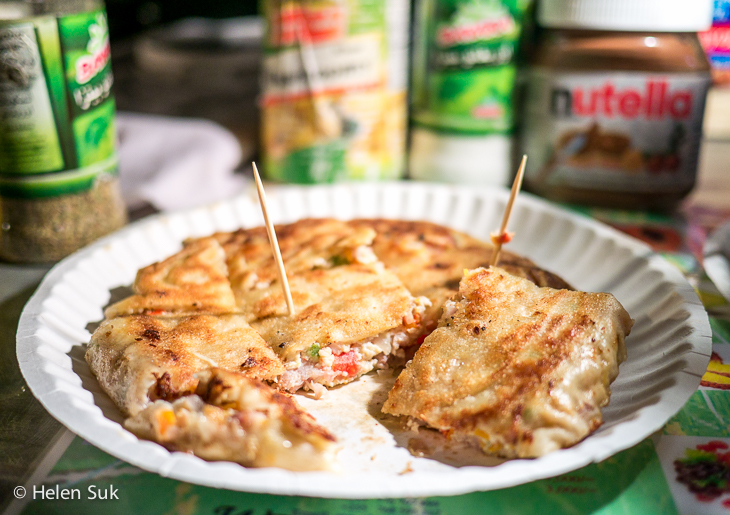
Not your typical pizza, this street classic is a savory crepe-like dough stuffed with fillings like beef, chicken, vegetables, egg, and even Nutella for dessert lovers. Cooked on a hot flat pan, it’s crispy outside and soft inside. Best enjoyed fresh at Forodhani Garden Night Market.

Zanzibar street food enjoy zanzibar authentic test

  1. Urojo (Zanzibar Mix): The Tangy Soup Bowl

A true Swahili comfort food, urojo is a thick soup made with potatoes, fritters, cassava, and boiled egg, topped with kachumbari (tomato-onion salad) and spicy chutneys. Known as the Zanzibar Mix, this dish is sold in small local stalls and loved by both locals and visitors.

Zanzibar street food test the best one Zanzibar mix

  1. Mandazi: The Swahili Doughnut

Soft, golden, and slightly sweet, mandazi pairs perfectly with spiced tea. Unlike Western doughnuts, they’re less sugary and often flavored with cardamom or coconut milk. A simple yet beloved street snack.

Zanzibar street food swahili doughnut(maandazi)

  1. Sugarcane Juice & Tangawizi Tea

Freshly pressed sugarcane juice is sold from small wooden carts, often flavored with ginger or lime the ultimate thirst-quencher in Zanzibar’s tropical heat. For a warming twist, try tangawizi (ginger) tea, sold at street-side vendors, especially in the evenings.

sugarcane juice

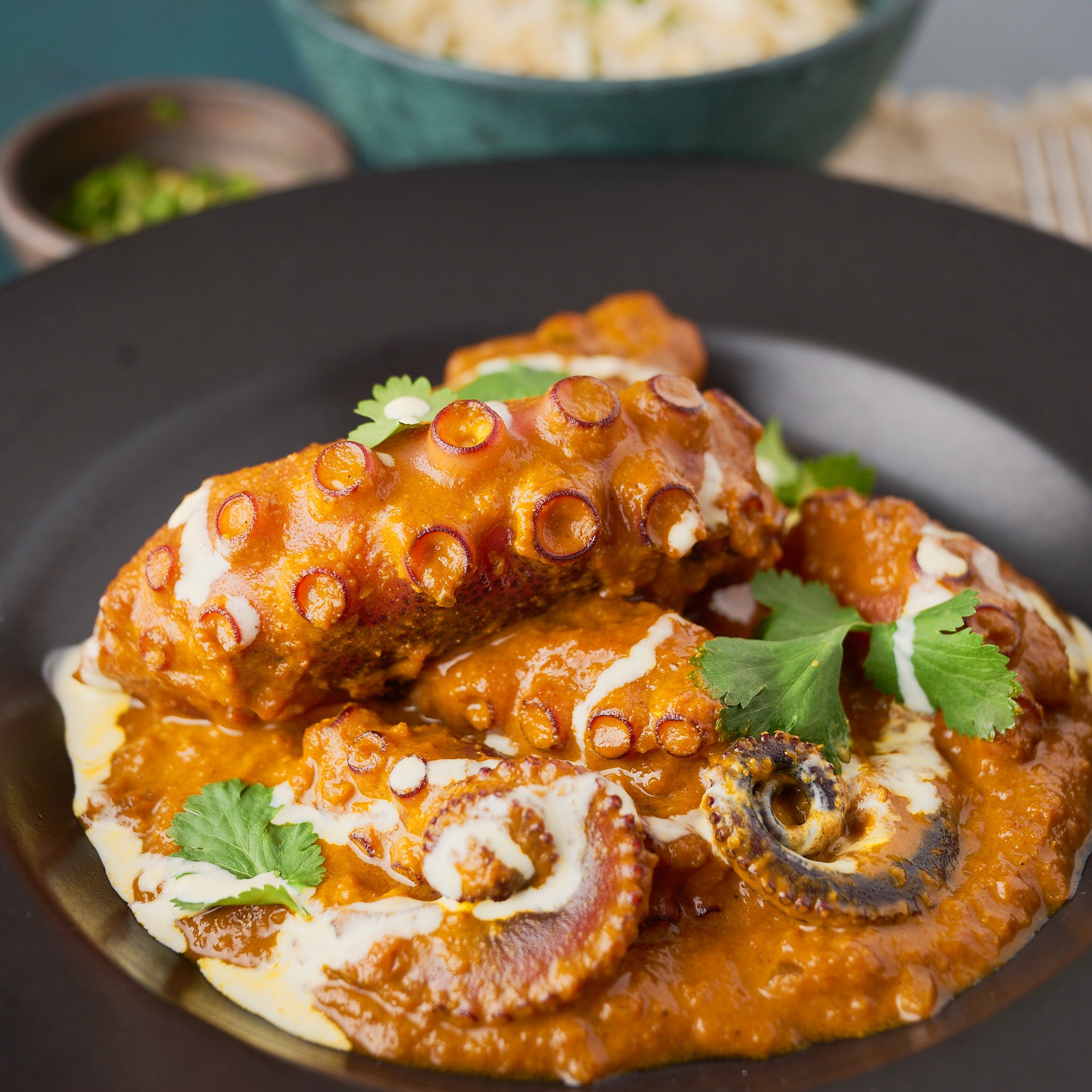
  1. Octopus Skewers: A Coastal Favorite

Grilled octopus, seasoned with chili and lime, is one of the most authentic seafood street snacks in Zanzibar. You’ll find vendors grilling them by the beachside or in Stone Town simple, fresh, and full of flavor.

octopus skewers famous at costal villages like jambiani, paje

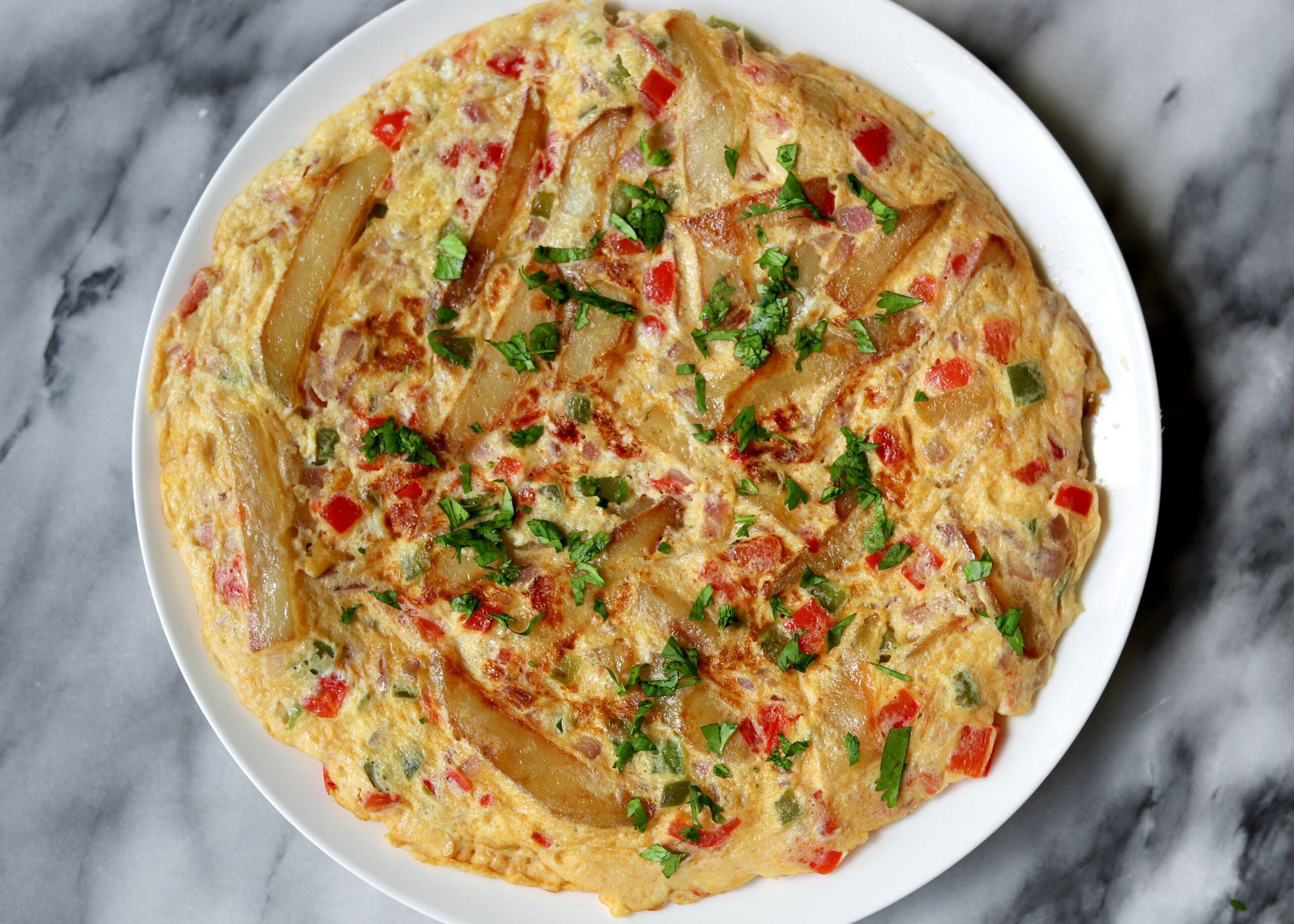
  1. Zanzibar Chipsi Mayai: The Street Omelette

A favorite among locals, chipsi mayai (fries with egg) is the ultimate street comfort food. Served with kachumbari and chili sauce, it’s filling, affordable, and widely available across the island.

street omelet best food for women

  1. Tropical Fruits: Nature’s Sweet Treats

From mangoes and pineapples to jackfruit and passionfruit, Zanzibar’s fruit stalls are as vibrant as they are delicious. Many vendors serve them freshly sliced with chili salt a unique flavor kick!

swahili tropical fruits

Street Food Tours in Zanzibar

If you want to experience Zanzibar’s food scene without worrying about where to go or what to try, a guided street food tour is the perfect choice. These tours combine the island’s rich history, vibrant culture, and unforgettable flavors, all in one experience.

Why Join a Street Food Tour?

🍲 Taste More in Less Time:

Instead of guessing, you’ll be guided straight to the best stalls serving authentic dishes like urojo soup, octopus curry, and Zanzibar pizza.

👩‍🍳 Local Insights

Guides explain the stories behind the dishes, spices, and recipes, making every bite more meaningful.

🛡️ Safe & Hygienic Choices

A good tour ensures you try trusted vendors, so you can eat worry-free.

🕌 Culture & History

Street food tours often double as walking tours of Stone Town, where you’ll explore winding alleys, historical markets, and hidden gems along the way.

🌙 Forodhani Night Market Experience

Most tours include a stop here, letting you enjoy dinner under the stars with freshly grilled seafood and vibrant atmosphere.

Popular Street Food Tour Options

1.Stone Town Evening Food Tour

Perfect for travelers who want to combine history, architecture, and food.

2.Spice & Street Food Tour

Visit a spice farm during the day, then taste dishes flavored with those very spices at night.

Private Food & Culture Experience

A more intimate tour where you enjoy a curated tasting menu, ideal for couples or families.

Insider Tip: Street food tours are great for solo travelers, families, and couples you’ll get to try dishes you might miss on your own and make new foodie friends along the way

Why Food is the Heart of Zanzibar’s Culture

Food in Zanzibar is not just nourishment it’s a living expression of the island’s history, diversity, and identity. The island, known as the Spice Island, has always been a crossroads of trade, where Arabs, Persians, Indians, and Africans mingled. Each left behind flavors and cooking traditions that blended with local Swahili practices to create today’s unique culinary heritage.

A Story of Trade & Spices

Dishes like pilau rice and spiced curries reflect centuries of spice trade that put Zanzibar on the world map.

Community & Hospitality

Sharing food is a core value in Swahili culture. Meals, whether simple chapati or festive biryani, are enjoyed with family, neighbors, and guests a symbol of warmth and unity.

Festivals & Faith

Food plays a central role in celebrations like Ramadan iftars, weddings, and local festivals. Each event brings special recipes that carry deep cultural meaning.

Street Life & Daily Rhythm

Street food stalls are more than eateries they are gathering places where locals socialize, exchange news, and welcome curious travelers.

In Zanzibar, to taste the food is to taste the culture. Every sip of tangawizi tea or bite of octopus skewer is a connection to the island’s people, their history, and their way of life.

Best Local Markets and Night Stalls in Zanzibar

When it comes to experiencing authentic Zanzibar, there’s no better way than wandering through its bustling markets and lively night stalls. These places are not just for shopping they are living cultural hubs where aromas, colors, and voices blend into an unforgettable atmosphere.

Darajani Market (Stone Town)

The beating heart of Stone Town, Darajani Market is where locals shop daily for fresh produce, spices, seafood, and street snacks. Stalls overflow with tropical fruits, bundles of cinnamon and cloves, and sizzling snacks like mandazi (Swahili doughnuts). It’s chaotic, vibrant, and a true reflection of Zanzibari life.

Forodhani Night Market

As the sun sets over Stone Town’s harbor, Forodhani Gardens transform into Zanzibar’s most famous street food market. Here, travelers and locals mingle over Zanzibar pizzas, grilled seafood skewers, and refreshing sugarcane juice pressed before your eyes. It’s the best place to enjoy a cheap dinner while watching the dhows sail under the twilight sky.

Mwanakwerekwe Market

For a more local, less touristy experience, head to Mwanakwerekwe Market. It’s the largest open-air market in Zanzibar, where locals shop for everything from clothes and shoes to fresh vegetables and traditional snacks. The food section offers authentic flavors rarely seen in tourist areas.

Paje & Nungwi Night Stalls

Along the beaches of Paje and Nungwi, small evening stalls pop up selling grilled fish, chapati, and tropical fruit salads. These are simple, family-run spots where you can enjoy dinner with your feet in the sand while chatting with locals.

Travel Tip: Visiting these markets is not just about eating it’s about connecting with the community. Always carry small cash, go with an adventurous appetite, and don’t hesitate to interact with the vendors; they’re often happy to share the story behind their recipes.

Where to Experience Zanzibar Street Food

Forodhani Gardens Night Market (Stone Town): The heart of Zanzibar’s street food scene.

Darajani Market: Bustling daytime food stalls with fresh snacks and drinks.

Beachside Villages (Nungwi, Paje, Jambiani): Simple stalls offering grilled seafood and fresh coconuts.

Local Tea Houses: Perfect spots to try mandazi and tangawizi tea while soaking in Swahili hospitality.

Hygiene & Safety Tips for Enjoying Zanzibar Street Food

Eating street food in Zanzibar is one of the best cultural experiences, but it’s important to stay mindful of hygiene so you can enjoy the flavors worry-free. Here are some essential safety tips:

  1. Eat Where the Crowds Are

A busy stall usually means fresh food turnover. Locals know the best vendors, so if you see a line of Zanzibaris waiting for snacks, you’re in safe hands.

  1. Watch the Cooking Process

Choose stalls where food is cooked right in front of you. Freshly grilled seafood skewers, hot chapatis, or sizzling Zanzibar pizzas are safer than pre-cooked meals sitting out.

  1. Drink Sealed Bottled Water

Always opt for bottled or filtered water. For juices like sugarcane or tangawizi tea, make sure they’re prepared fresh and served in clean glasses.

  1. Bring Hand Sanitizer

Markets can be busy, and facilities limited. A small bottle of hand sanitizer before and after eating is your best friend.

  1. Avoid Overeating on the First Day

Zanzibar spices and street flavors are rich and delicious but if you’re new to the cuisine, start light and let your stomach adjust.

  1. Be Careful with Raw Foods

Stick to fruits you can peel yourself (like bananas, mangoes, or pineapples) and avoid raw seafood unless you’re dining in a trusted restaurant.

  1. Respect Local Cleanliness Norms

Zanzibaris value cleanliness. Dispose of leftovers and packaging in bins provided, keeping the markets welcoming for everyone.

Travel Smart Tip: The key to street food is balance be adventurous, but cautious. When in doubt, ask your guide or local vendors for the freshest, most trusted spots.

Tips for Enjoying Zanzibar Street Food Safely

  • Choose busy stalls: high turnover means fresh food.
  • Watch food being prepared in front of you.
  • Stay hydrated and avoid unfiltered tap water.
  • Try new flavors, but pace yourself Zanzibari food can be spicy!

Conclusion: Taste Zanzibar Like a Local

Zanzibar’s street food is more than just eating it’s a cultural experience. Every bite tells a story of trade routes, traditions, and island creativity. From Zanzibar pizza at Forodhani to a warm cup of ginger tea in a village chai house, the flavors will stay with you long after your trip.

Call to Action

📩 Plan your street food trip with local experts like Zancelebrate Tours

🌱 See best-tours in Zanzibar you can join today with Zancelebrate Tours

Make your Zanzibar trip deliciously memorable join our authentic street food tour and savor dishes you’ll never forget.

Ready to explore Zanzibar’s flavors? Wander the streets, join a guided food tour, or simply follow your nose into the nearest bustling stall. Every dish is a memory waiting to be savored.

Skip the tourist menus and dive into real Swahili flavors book your Zanzibar street food experience now!

Book your Zanzibar street food tour today and discover the island beyond the spices!

From sizzling seafood skewers to creamy urojo soup, Zanzibar’s streets are a feast  join us and eat like a local tonight!

Further reading

Learn more Zanzibar street food and awaken your taste buds with Zancelebrate Tours

Discover Zanzibar’s flavors with Lukman Restaurant trusted food guides.

Zanzibar Door Photography: Capturing Stone Town’s History

Zanzibar Door Photography: Capturing Stone Town’s History

Walking through the winding alleys of Stone Town, Zanzibar doors photography leave with memories of Zanzibar’s soul carved in wood and brass. You’ll notice something truly unforgettable the ornate wooden doors that guard homes, mosques, and merchant houses. These doors are more than just entrances; they are living canvases carved with history, culture, and artistry. For photographers, both amateur and professional, Zanzibar’s doors offer an incredible opportunity to capture the island’s rich heritage and timeless beauty.

If you’re planning a trip to Zanzibar, exploring and photographing these iconic doors should be at the top of your itinerary.

The Story Behind Zanzibar’s Famous Doors

Each carved wooden door tells a story. Influenced by Arab, Indian, Persian, and Swahili cultures, Zanzibar’s doors reveal the island’s trading past and cosmopolitan identity.

Arab-inspired doors: Heavy, rectangular with verses from the Quran and intricate geometric patterns.

Indian-style doors: Rounded arches with brass studs, originally designed as protection against war elephants in India but adopted in Zanzibar for status and decoration.

Swahili designs: Simpler but deeply symbolic, often decorated with flowers, chains, and rope motifs representing unity, protection, and prosperity.

For a photographer, each style provides endless textures, stories, and framing opportunities.

Best Spots for Door Photography in Stone Town

Kenya Street: Famous for some of the most elaborate Indian-style brass-studded doors.

Gizenga Street: A blend of Swahili and Arab styles, perfect for contrasting photo collections.

Hurumzi Area: Narrow alleys lined with weathered yet photogenic doors.

House of Wonders & Old Fort: Iconic heritage sites surrounded by grand historic doors.

Private Residences: Many traditional family homes display unique carvings, offering candid and authentic shots.

Tip: Visit early morning or late afternoon for soft natural light that highlights the woodwork details.

Different Styles and Symbols in Zanzibar Doors

Zanzibar’s doors are not just decorative; they are visual storytellers, revealing the owner’s identity, wealth, faith, and social status. Here are the main styles and their symbolic meanings:

  1. Arab-Influenced Doors

Rectangular frames with heavy carvings.

Inscriptions from the Quran often appear at the top.

Geometric patterns symbolize order, faith, and divine harmony.

Floral designs represent paradise and prosperity.

📸 Tip: Frame your shot to include both the Quranic script and the floral patterns for a blend of spirituality and artistry.

  1. Indian-Style Doors

Characterized by arched frames and brass studs.

Brass studs originally served as protection from elephants in India but in Zanzibar, they became a status symbol.

These doors often belong to wealthy merchants and showcase prosperity.

📸 Tip: Use a low-angle shot to capture the grandeur of the studded arch, making it appear even more imposing.

  1. Swahili Doors

Simpler compared to Arab and Indian styles.

Often include chain, rope, and flower motifs.

Chains symbolize security and strength.

Ropes signify unity in community and family.

Flowers represent love, growth, and life.

These are the most authentic local designs, reflecting Swahili identity.

📸 Tip: Focus on the carved rope or chain details they create stunning close-up shots.

  1. Fusion Styles

Zanzibar’s cosmopolitan history gave rise to hybrid doors mixing Swahili, Arab, and Indian influences.

You might find brass studs on a Swahili-style rope motif or Quranic inscriptions on arched frames.

These doors tell the story of cultural blending along the Indian Ocean trade routes.

📸 Tip: Create a photo series comparing pure styles with fusion styles to showcase cultural diversity.

Door Tours & Walking Guide in Stone Town

Exploring Stone Town’s famous carved doors is like stepping into a living museum. Each alleyway reveals a story, and the best way to discover them is on a guided walking tour.

Why Join a Door Tour?

  • Local guides share hidden meanings behind carvings you might miss.
  • Learn how doors reflect religion, trade, and family heritage.
  • Get insider tips on the best photography angles and quiet spots.
  • Hear fascinating stories about the merchants, sultans, and families who once lived behind these doors.

Self-Guided Walking Route

If you prefer exploring at your own pace for Zanzibar doors photography, follow this classic route:

Start: House of Wonders (Beit-al-Ajaib): One of Stone Town’s most iconic landmarks, with stunning wooden doors that blend Swahili and Arab designs.

Mkunazini Street: A bustling road with fine examples of Indian-style studded doors.

Gizenga Street: Narrow alleys with Swahili-style rope carvings and chain motifs.

Kiponda & Shangani Quarters: Rich in Arab-style rectangular doors, often decorated with Quranic verses and floral motifs.

End: Old Dispensary (Aga Khan Hospital): A masterpiece of carved wooden balconies and doors, perfect for your final photos.

Photography Tips for the Walk

  • Morning light is perfect for capturing shadow and depth on carved designs.
  • Use a wide lens to frame both door and alley, giving a sense of place.
  • Don’t forget close-up details chains, ropes, and brass studs tell their own story.

Practical Advice

Wear comfortable shoes  alleys are uneven and narrow.

Respect private homes: always ask before photographing if locals are around.

Consider a licensed guide for the full cultural experience.

Walking through Stone Town is like reading a history book carved in wood. Each door you capture adds a new chapter to your Zanzibar story.

Tips for Cultural Respect While Photographing Zanzibar Doors

Stone Town’s doors are beautiful, but they’re also part of people’s daily lives. To ensure your photography experience is respectful and well-received:

Always Ask Permission

Many carved doors are still attached to family homes. If you see residents nearby, greet them with a polite “Hujambo” (hello) or “Shikamoo” (respectful greeting) and ask before snapping photos. A smile goes a long way.

Avoid Intrusion

Do not step into private doorways, lean on doors, or pose models against them unless you’ve been invited. The doors are symbols of heritage, not props.

Dress Modestly

Stone Town is predominantly Muslim. Wearing modest clothing (covering shoulders and knees) shows cultural sensitivity and avoids unwanted attention while photographing.

Respect Prayer Times

During the call to prayer (adhan), avoid loud photography sessions and give locals space near mosques and religious sites.

Support Local Guides & Artisans

Hire a guide or buy crafts from nearby shops. This not only enriches your understanding of the symbolism but also contributes to the community whose culture you’re celebrating.

Share Respectfully

If you plan to share photos online, avoid posting images of residents without consent. Focus on the artistry of the doors rather than intruding on daily life.

By combining photography with cultural respect, you’ll not only capture Stone Town’s beauty but also leave behind a positive impression as a mindful traveler.

Photography Tips for Capturing Zanzibar’s Doors

  • Focus on details: Zoom into brass studs, floral carvings, and inscriptions.
  • Use natural frames: Capture doors with alleyways, bicycles, or market life in the background.
  • Play with shadows: Morning and evening light creates dramatic contrasts.
  • Tell a story: Pair a door with its surroundings a merchant walking by, or children playing nearby.

Why Zanzibar Doors Matter Beyond Photography

For locals, these doors are more than art; they are symbols of identity, heritage, and pride. Many families pass them down through generations, maintaining the craft of traditional woodcarving. By photographing them, visitors help preserve and share a cultural legacy with the world.

Call to Action

📩 Plan your stone town trip with local experts with Zancelebrate Tours

🌱 See best-tours you can join today with Zancelebrate Tours

Step through history, one door at a time. Book your Stone Town door photography tour today and capture Zanzibar’s timeless artistry!

From Swahili swirls to Indian brass studs, every door has a story. Let us help you frame it beautifully start your Zanzibar door photo journey now.

Make your travel album unforgettable immerse yourself in Zanzibar’s iconic doors and capture their beauty with the guidance of local experts.

Ready to explore Zanzibar doors photography and capture Zanzibar’s soul through its doors? Wander the alleys of Stone Town, camera in hand, and uncover the hidden stories carved into every frame. Join a guided Zanzibar doors photography, cultural photography tour to learn the symbolism behind the designs while perfecting your shots.

📸 Don’t just take photos take home pieces of history. Book your Zanzibar photography experience today and step through time, one door at a time

Discover more

Read more the secrets behind of Zanzibar’s history, a guided photography stone town walking tour with Zancelebrate Tours

Discover the charm of Zanzibar Stone Town through UNESCO World Heritage

Learn and experience carved doors with African architecture the respect, knowledge, and stories they deserve.


Best Time to See Whale Sharks and Dolphins in Zanzibar: A Complete Guide

Best Time to See Whale Sharks and Dolphins in Zanzibar: A Complete Guide

Zanzibar is not only famous for its white-sand beaches and rich culture but also for its extraordinary marine life, best time to see whale sharks and dolphins in Zanzibar. Among the island’s top wildlife encounters are dolphin watching in Kizimkazi and the rare opportunity to swim alongside gentle whale sharks off Mafia Island (part of the Zanzibar Archipelago).

If you’re planning your trip around marine encounters, timing is everything. Here’s your complete guide to the best time to see whale sharks and dolphins in Zanzibar and how to enjoy these experiences responsibly.

Why Zanzibar is Perfect for Marine Life

Zanzibar is more than just white-sand beaches and turquoise waters it’s a living paradise for marine life. Surrounded by the warm Indian Ocean, the archipelago is home to an incredible variety of ecosystems that make it one of the best destinations in East Africa for underwater adventures.

Coral Reefs That Protect & Nurture 🌿

Stretching along the coast, Zanzibar’s coral reefs act as nurseries for countless fish species. From tiny clownfish to majestic groupers, the reefs provide food and shelter, making them vibrant underwater cities.

Seasonal Whale Sharks & Dolphins 🐋🐬

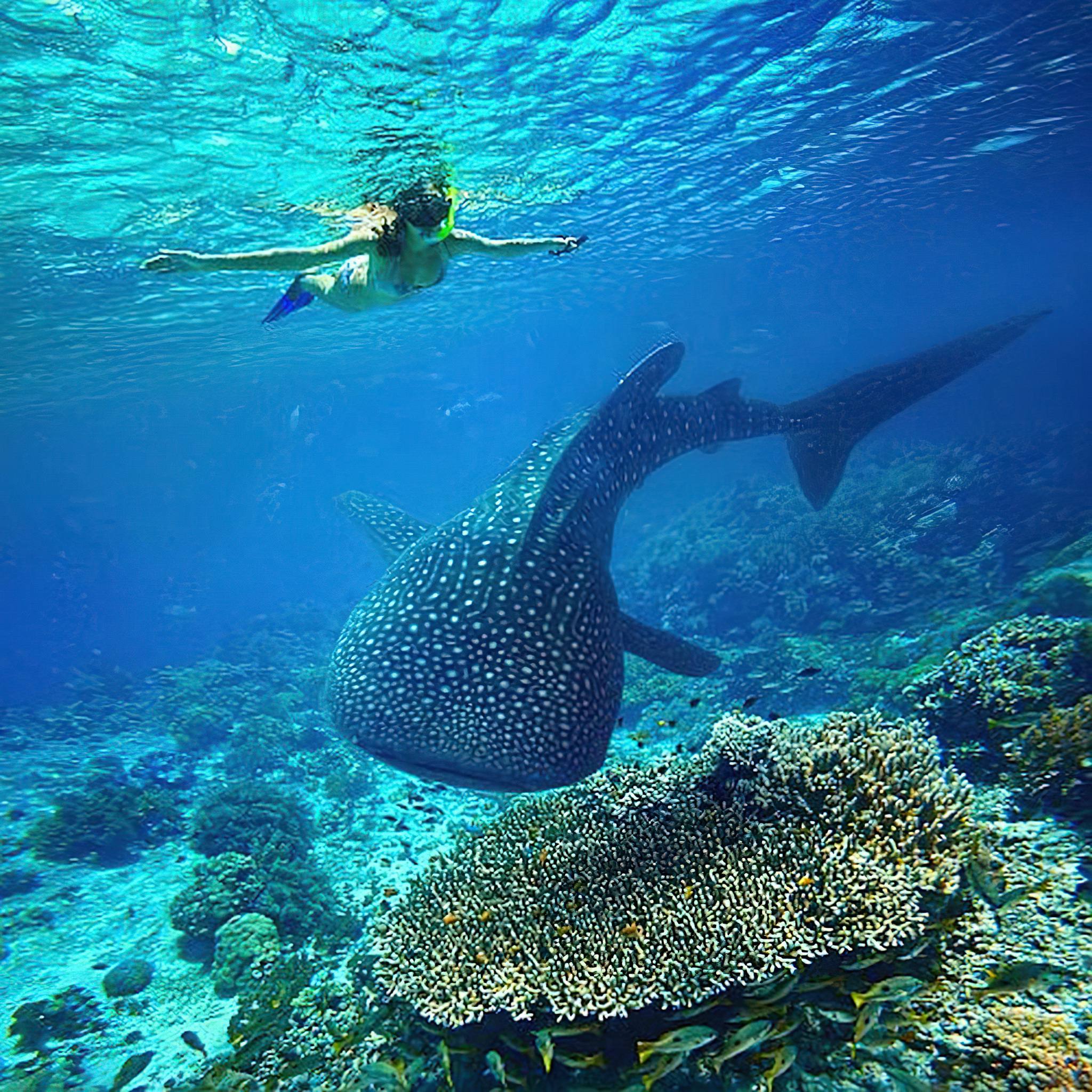
Whale sharks migrate through Zanzibar’s waters, especially around Mafia Island and Mnemba Atoll, offering rare chances to swim alongside the world’s largest fish. Playful pods of bottlenose and humpback dolphins also call these waters home, giving travelers unforgettable ethical dolphin-watching opportunities.

Seagrass Meadows & Mangroves 🌱

Beyond the reefs, Zanzibar’s mangroves and seagrass beds support turtles, dugongs, and smaller marine creatures. These ecosystems not only sustain marine life but also protect coastlines and fight climate change.

Turtles Nesting on the Beaches 🐢

Green and hawksbill turtles still nest on Zanzibar’s quieter beaches. Conservation projects allow visitors to witness hatchlings safely making their way to the ocean, a moment that highlights the island’s commitment to protecting endangered species.

Crystal Clear Waters for Exploration 🌊

Thanks to year-round warm temperatures and visibility often reaching 30 meters, Zanzibar is a dream for snorkeling and diving enthusiasts. Whether you’re a beginner or an expert diver, the underwater world feels like stepping into a natural aquarium.

Simply put, Zanzibar is where nature and ocean life meet in perfect harmony, making it an ideal destination for eco-travelers, divers, and anyone seeking a deeper connection with the sea.

Whale Sharks in Zanzibar (Mafia Island)

When to See Whale Sharks

🐋 Peak Season: October to March

This is when plankton blooms attract large numbers of whale sharks around Mafia Island, making sightings almost guaranteed.

Best conditions: clear waters, calm seas, and sunny skies.

Where to Spot Them

Mafia Island Marine Park, a protected area that offers one of the world’s best chances to swim with whale sharks.

Tours usually include snorkeling with a certified guide who ensures both safety and eco-friendly practices.

Why It’s Special

Whale sharks are the largest fish in the ocean, yet gentle giants. Swimming alongside them is a once-in-a-lifetime experience, especially in the pristine waters of Mafia Island.

Whale Shark Season in Zanzibar & Mafia Island (Month-by-Month Guide)

While dolphins can be spotted year-round, whale sharks follow seasonal patterns. If swimming with the gentle giants is on your bucket list, here’s when to plan your trip:

November – March 🐋 (Peak Season)

This is the best time to see whale sharks around Zanzibar’s neighboring Mafia Island. Plankton blooms attract these giants, and sightings are most frequent and reliable. Clear skies and calm seas make conditions even better for snorkeling.

April – May 🌧️ (Low Season, Fewer Tours)

The long rains begin, making the waters choppier and reducing visibility. Some tours pause, and sightings become rare. However, the island is lush and quiet for travelers who don’t mind the weather.

June – August ☀️ (Dry but Not Ideal for Whale Sharks)

This period offers fantastic diving and snorkeling for other marine life (coral reefs, turtles, dolphins), but whale shark sightings are minimal. Most operators don’t advertise whale shark tours during this time.

September – October 🌊 (Transition Period)

Waters start to warm up, and plankton levels increase, occasionally bringing in whale sharks toward the end of October. Sightings are less predictable, but lucky travelers may still encounter them.

Best Months: November to March

if whale sharks are your main goal, this is when your chances are highest!

Dolphins in Zanzibar

When to See Dolphins

🐬 Best Season: Year-round, but most reliable sightings are from June to October and December to February.

These periods have calmer seas, making it easier to spot dolphins and enjoy smoother boat rides.

Where to Spot Dolphins

Kizimkazi (South Zanzibar) – Famous for its resident bottlenose and humpback dolphins.

Mnemba Atoll – Known for clear waters and occasional dolphin encounters during snorkeling trips.

What Makes It Unique

In Kizimkazi, dolphins live here year-round, meaning you have a high chance of spotting them.

Tours are best done early in the morning when dolphins are active.

⚠️ Important: Choose ethical dolphin-watching tours that avoid chasing or disturbing pods. Responsible operators maintain distance and respect dolphin behavior.

Best Tours & Family-Friendly Advice

Seeing dolphins and whale sharks is a dream for many families and in Zanzibar, it can be both exciting and safe if done the right way. Best Tours for Marine Encounters

  1. Ethical Dolphin Watching in Kizimkazi

Instead of chasing dolphins, ethical tours let families watch them calmly in their natural environment. Kids love spotting pods leaping out of the water at sunrise.

best time to see whale sharks and dolphins in Zanzibar at kizimkazi

  1. Snorkeling Trips to Mnemba Atoll

Perfect for families with children who enjoy snorkeling. The reef is shallow, colorful, and teeming with tropical fish, making it safe for beginners.

best time to see whale sharks and dolphins in Zanzibar enjoy snorkeling at mnemba atoll


  1. Whale Shark Excursions (Mafia Island)

For families willing to extend their trip, Mafia Island offers the world’s most reliable whale shark encounters (Nov–March). Children aged 8+ can usually join, provided they are comfortable in the water.

mafia best moment swim along side giant whale sharks in Zanzibar

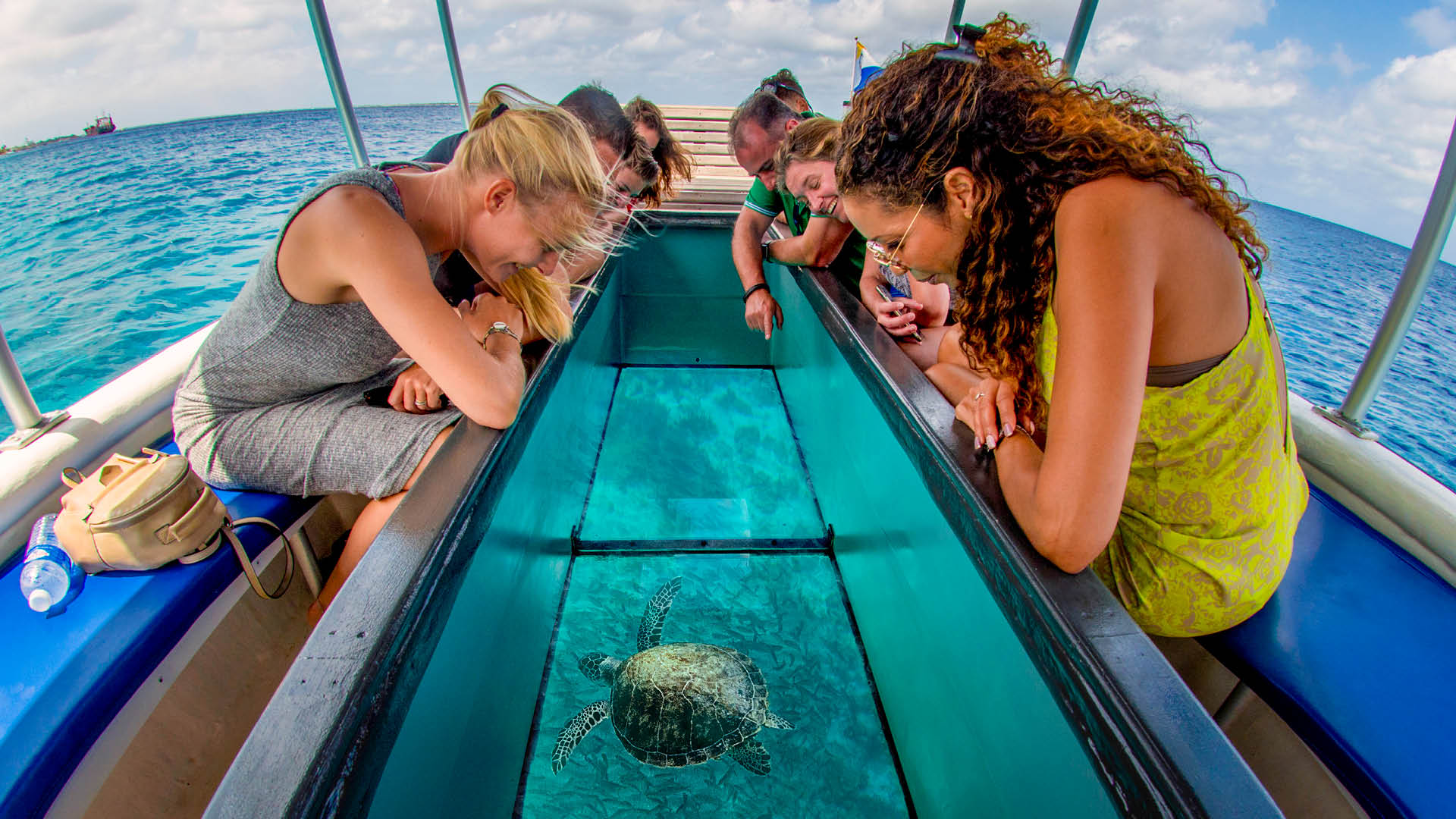
  1. Glass-Bottom Boat Tours

A fun option for younger kids who can’t swim. Families can see corals and marine life without leaving the boat.

non swimmers ideal to see coral reefs and colorful fishes glass bottom boat

👨‍👩‍👧‍👦 Family-Friendly Advice

Choose ethical operators 🐬: Avoid tours that crowd or chase dolphins. Look for certified eco-friendly providers.

Bring kid-sized gear 🤿: Children are more comfortable with properly fitting life jackets, masks, and snorkels.

Start early in the day 🌅: Morning tours have calmer seas, making it easier for children and reducing seasickness.

Keep it short & fun 🎈: Kids may tire quickly, so pick half-day tours instead of full-day ones.

Pack essentials 🧴: Sunscreen, hats, snacks, and extra dry clothes make the experience stress-free.

With the right tour, a marine adventure in Zanzibar isn’t just another excursion — it’s an unforgettable family memory.

Whale Sharks vs Dolphins: Key Differences

Feature  Whale Sharks (Mafia Island)   Dolphins (Zanzibar Mainland)

Best Time: Oct – Mar Year-round.    (peak Jun–Oct, Dec–Feb)

Location: Mafia Island Marine Park.   Kizimkazi, Mnemba Atoll

Type of Experience: Snorkeling/swimming.  Boat tours, occasional swimming

Guarantee of Sightings: High during peak season.  High, but sightings vary

🌍 Conservation Efforts in Zanzibar & Mafia Island

Marine life in Zanzibar is not just breathtaking to witness it’s also fragile. To ensure dolphins, turtles, and whale sharks continue to thrive, several conservation initiatives are working tirelessly across the islands.

🐬 Dolphin Protection in Kizimkazi

Over the years, unregulated tours caused stress to dolphin pods.

Today, organizations such as the Marine Conservation Society of Zanzibar (MCSZ) promote ethical dolphin watching, training local boatmen to follow safe distances and reduce harmful practices.

🐢 Turtle Conservation Projects

Community-run sanctuaries in Nungwi and Matemwe protect nesting sites.

Visitors can join turtle release programs, giving hatchlings a safe start to life.

🐋 Whale Shark Research in Mafia Island

Local NGOs, in collaboration with marine biologists, study whale shark migration patterns and educate communities about sustainable practices.

Tour operators now follow codes of conduct: no touching, no feeding, and limited swimming time.

🌱 Protecting Coral Reefs & Mangrove

Reef-safe sunscreens and responsible snorkeling are encouraged to prevent coral bleaching.

Community-based mangrove reforestation projects help balance ecosystems and protect nursery grounds for young fish.

By choosing eco-certified tours, travelers don’t just enjoy the ocean they become part of the conservation story, helping preserve Zanzibar’s marine heritage for generations.

Tips for the Best Experience

  • Book early during whale shark season tours are limited and fill quickly.
  • Go early morning for dolphin tours to avoid crowds and see them when active.
  • Bring eco-friendly sunscreen to protect marine life.
  • Choose ethical tour operators who prioritize conservation and responsible encounters.

Why Plan Your Trip Around Marine Wildlife?

Experiencing whale sharks and dolphins in Zanzibar isn’t just about adventure; it’s about connecting with nature in a once-in-a-lifetime way. From the thrill of gliding next to the ocean’s largest fish to the joy of seeing dolphins leap beside your boat, these encounters create memories that last forever.

Call to Action

📩 Plan your whale sharks and dolphins trips with local experts like Zancelebrate Tours

🌱 See other-tours you can join today with Zancelebrate Tours

📍 Discover where to stay in Zanzibar with Booking.com

Ready for an unforgettable marine adventure in Zanzibar? Plan your trip between October and March for whale sharks or enjoy year-round dolphin watching in Kizimkazi. Book with eco-friendly operators to ensure your experience protects marine life while giving you the chance to witness these incredible creatures up close.

Discover more


Best Mangrove Tours in Zanzibar: Discover the Island’s Secret Waterways

Best Mangrove Tours in Zanzibar: Discover the Island’s Secret Waterways

Far away from Zanzibar’s bustling beaches lies a quieter, greener treasure the mangrove forests. These tangled roots and serene waterways are not only essential to the island’s ecosystem but also provide unforgettable opportunities for travelers seeking authentic adventure. From kayaking through narrow creeks to learning about local fishing traditions, mangrove tours offer a side of Zanzibar most tourists never see.

If you’re looking for an eco-friendly activity, perfect for nature lovers and adventure seekers alike, here’s your complete guide to the best mangrove tours in Zanzibar.

Why Mangroves Are Special in Zanzibar

Mangroves are the beating heart of Zanzibar’s coastal ecosystem. They protect shorelines from erosion, provide shelter for countless fish species, and serve as nurseries for crabs, oysters, and birds. Locals also use them in traditional medicine, fishing, and boatbuilding making mangrove tours a fascinating mix of nature, culture, and sustainability.

Top Mangrove Tours in Zanzibar

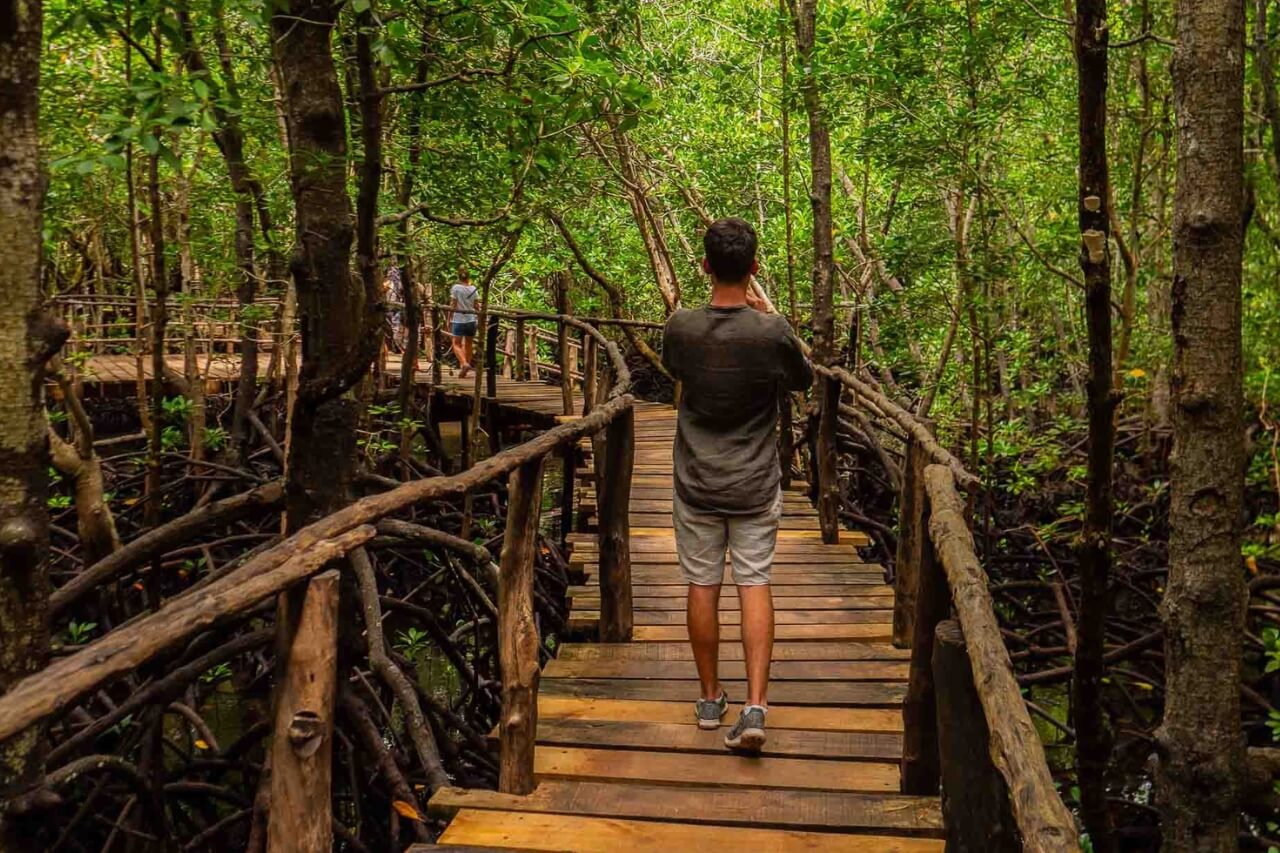
  1. Jozani Chwaka Bay Mangrove Walk

Explore Zanzibar’s largest mangrove reserve.

Walk along wooden boardwalks that wind through lush mangrove forests.

Spot crabs, small fish, and tropical birds.

Combine it with a visit to Jozani Forest to see the rare Red Colobus monkeys.

best mangrove tours in Zanzibar at jozani chwaka bay walking wooden board to see mangrove

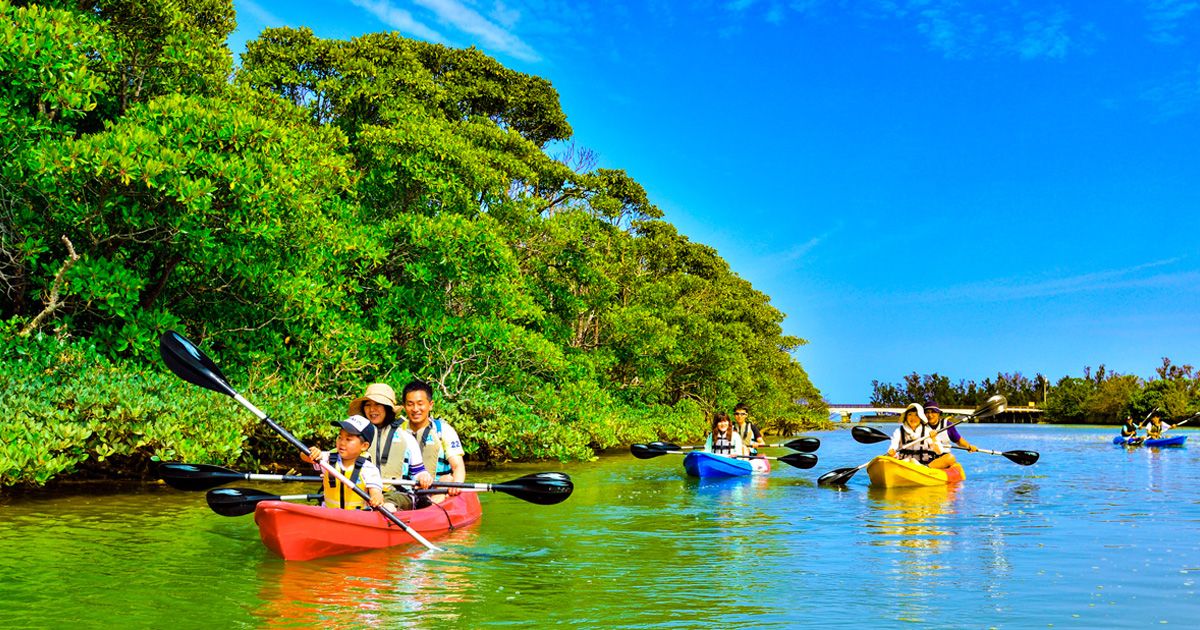
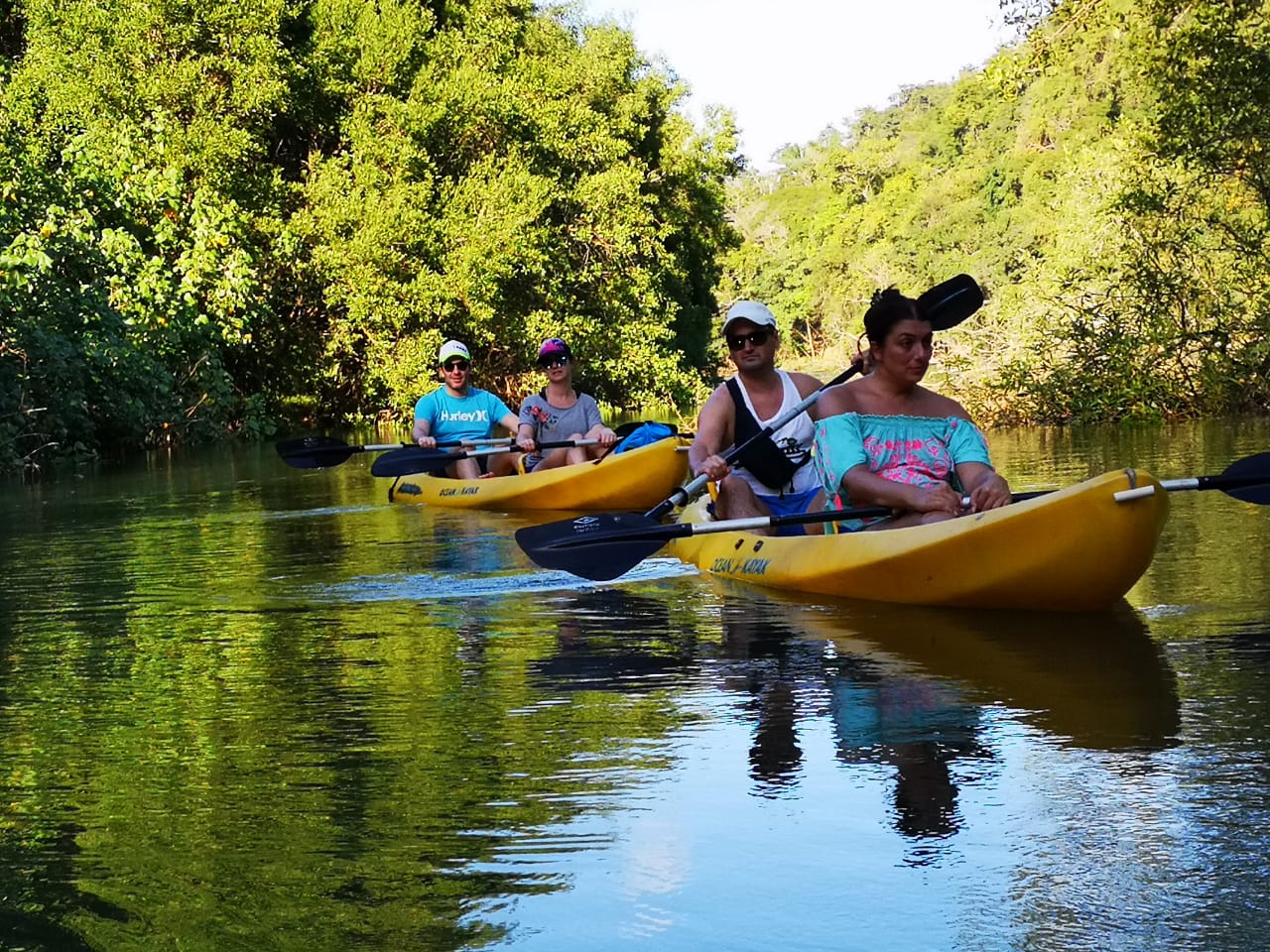
  1. Paje Mangrove Kayaking Tour

Perfect for adventure lovers who want to paddle through calm creeks.

Kayak with a local guide who explains the importance of mangroves.

Ideal for sunrise or sunset trips, when the water is calm and golden light reflects through the roots.

best mangrove tours in Zanzibar enjoy paddle through mangrove forest

  1. Michamvi Mangrove & Sunset Dhow Cruise

A magical combination of mangrove exploration and traditional dhow sailing.

Start by kayaking or walking through mangroves, then board a dhow for a sunset cruise across Chwaka Bay.

Popular with couples and families looking for a romantic eco-adventure.

best mangrove tours in Zanzibar paddle with local community

  1. Kizimkazi Community Mangrove Tour

Run by local conservation groups.

Learn how the community protects mangroves and benefits from eco-tourism.

Try your hand at traditional fishing methods and see local oyster farms.

A great choice for travelers who want to support sustainable tourism.

mangrove forest run by local community perfect for seeking to support local community

  1. Mangrove Birdwatching Excursions 

Perfect for bird enthusiasts.

A peaceful experience combining wildlife and conservation.

Paddle quietly through waterways and spot kingfishers, herons, and fish eagles.

mangrove and birdwatching see rare species

Why Mangroves Matter to Zanzibar 🌿

Mangroves are more than just tangled trees along the shoreline they are the heartbeat of Zanzibar’s coastal ecosystem. These salt-tolerant forests play a vital role in balancing nature, supporting communities, and protecting the island’s future.

🌱 Natural Coastal Protectors

Mangroves act as a natural shield against erosion, storms, and rising sea levels. Their dense root systems stabilize the shoreline and prevent beach loss, which is essential for preserving Zanzibar’s stunning coastlines and fishing villages.

🐟 Nurseries of the Ocean

Many marine species including fish, crabs, and even juvenile reef sharks depend on mangroves as safe breeding and nursery grounds. Without them, Zanzibar’s thriving fishing industry and coral reef ecosystems would struggle to survive.

🌍 Climate Change Fighters

Mangroves are incredible carbon sinks, storing up to four times more carbon than tropical rainforests. This makes them crucial in fighting climate change and keeping Zanzibar’s environment healthy for generations.

👩‍👩‍👧‍👦 Lifeline for Local Communities

For many Zanzibari families, mangroves provide firewood, building materials, and fishing opportunities. More importantly, eco-tours around mangroves are creating sustainable livelihoods, encouraging locals to protect these fragile forests instead of cutting them down.

🦀 Biodiversity Hotspots

From mudskippers dancing on roots to rare bird species nesting overhead, mangroves are home to a wealth of wildlife that travelers can witness only in these unique habitats. Every paddle through a mangrove channel feels like stepping into a living natural museum.

What to Expect on a Mangrove Tour

  • Tranquil settings away from busy beaches.
  • Close encounters with marine life such as crabs, mudskippers, and small fish.
  • Cultural insights from guides about the traditional uses of mangroves.
  • A chance to contribute to eco-tourism and conservation.

Tips for Visiting Zanzibar’s Mangroves

  • Wear lightweight, quick-dry clothing (kayaking can get splashy).
  • Bring reef-safe sunscreen and mosquito repellent.
  • Respect the ecosystem – avoid touching roots or disturbing wildlife.
  • Book with community-led tours to support local conservation projects.

Why Choose a Mangrove Tour in Zanzibar?

Unlike standard beach trips, mangrove tours are immersive, educational, and eco-friendly. They’re perfect for:

Families looking for safe adventures in calm waters: Safe and calm mangrove waters are perfect for gentle kayaking and spotting crabs, fish, and birds a fun, educational adventure for kids and parents alike.

Couples seeking romantic nature escapes. Glide through peaceful mangrove channels at sunset, surrounded by birdsong and reflections on the water a romantic escape into nature’s embrace.

Solo travelers interested in eco-tourism and photography: Mangroves offer a haven for eco-tourism and photography, with twisting roots, mirror-like waters, and vibrant wildlife creating endless inspiration.

Conclusion

The hidden mangrove and dhow routes of Zanzibar are more than just secret escapes they are living ecosystems and cultural treasures. They remind us that Zanzibar is not just about sandy beaches, but also about mystical waterways, centuries-old sailing traditions, and the balance between people and nature

Call to Action

📩 Plan your mangrove trip with local experts like Zancelebrate Tours

🌱 See eco-tours you can join today

📍 Discover where to stay in Zanzibar with Booking.com

Paddle Zanzibar’s secret mangrove forests. Click here to book now on WhatsApp

Step into Zanzibar’s green heart book your private mangrove kayaking tour today and paddle where few travelers ever go.

Skip the crowds, explore the hidden green heart of Zanzibar. Chat with us now to book

Don’t just visit Zanzibar, experience its secrets  let Zancelebrate Tours guide you through serene mangrove channels.

Step beyond Zanzibar’s beaches and discover its green heart! Book a mangrove kayaking tour, dhow cruise, or eco-walk today and experience the island in a way most visitors never do. By choosing a mangrove tour, you’re not only exploring hidden waterways you’re helping to protect them for generations to come.

Further reading

Discover the hidden life of Zanzibar’s mangrove forests with Zancelebrate tours from dancing mudskippers to nesting herons. Reserve your eco-adventure now.”

Read more mangrove conservation, hidden forests and endless horizons with Conservation international

Hidden Mangrove & Dhow Routes: Zanzibar’s Best Kept Secrets

Hidden Mangrove & Dhow Routes: Zanzibar’s Best Kept Secrets

Hidden mangrove and dhow routes in Zanzibar two of the best-kept secrets in one journey. When most travelers picture Zanzibar, they think of turquoise beaches, spice farms, and Stone Town’s winding alleys. Yet, beyond the popular attractions lies another world mystical mangrove forests and ancient dhow routes, where nature and tradition blend into a timeless adventure. These secret waterways are some of Zanzibar’s best kept treasures, offering tranquility, ecological wonders, and a glimpse into the island’s cultural heritage.

If you crave hidden gems far from the crowds, join us as we uncover the hidden mangrove and dhow routes in Zanzibar.

  1. The Magic of Zanzibar’s Mangroves 🌱

Mangroves are the silent guardians of the coast. Their twisting roots protect the shoreline from erosion, provide shelter for crabs, fish, and birds, and act as a nursery for marine life. Paddling through these peaceful forests is like entering a natural cathedral, where the air is cool, the water calm, and the only sounds are the calls of seabirds and the rustling of leaves.

👉 Top Spot: Jozani-Chwaka Bay National Park’s mangrove boardwalk is a great introduction, but private dhow routes reveal even more untouched beauty.

Why Mangroves Matter to Zanzibar 

Mangroves are more than just tangled trees along the shoreline they are the heartbeat of Zanzibar’s coastal ecosystem. These salt-tolerant forests play a vital role in balancing nature, supporting communities, and protecting the island’s future.

🌱 Natural Coastal Protectors

Mangroves act as a natural shield against erosion, storms, and rising sea levels. Their dense root systems stabilize the shoreline and prevent beach loss, which is essential for preserving Zanzibar’s stunning coastlines and fishing villages.

🐟 Nurseries of the Ocean

Many marine species including fish, crabs, and even juvenile reef sharks depend on mangroves as safe breeding and nursery grounds. Without them, Zanzibar’s thriving fishing industry and coral reef ecosystems would struggle to survive.

🌍 Climate Change Fighters

Mangroves are incredible carbon sinks, storing up to four times more carbon than tropical rainforests. This makes them crucial in fighting climate change and keeping Zanzibar’s environment healthy for generations.

👩‍👩‍👧‍👦 Lifeline for Local Communities

For many Zanzibari families, mangroves provide firewood, building materials, and fishing opportunities. More importantly, eco-tours around mangroves are creating sustainable livelihoods, encouraging locals to protect these fragile forests instead of cutting them down.

🦀 Biodiversity Hotspots

From mudskippers dancing on roots to rare bird species nesting overhead, mangroves are home to a wealth of wildlife that travelers can witness only in these unique habitats. Every paddle through a mangrove channel feels like stepping into a living natural museum.

Best Mangrove Tours & Kayaking Spots in Zanzibar 🛶🌿

  1. Chwaka Bay Mangroves

Located within Jozani-Chwaka Bay National Park, this is the most famous mangrove ecosystem in Zanzibar. Here, visitors can walk along a wooden boardwalk, paddle through the tidal channels, and spot unique wildlife like crabs, mudskippers, and herons. It’s also a protected UNESCO biosphere reserve, making it a must for eco-travelers.

👉 Best for: Families, nature lovers, and first-time mangrove explorers.

  1. Michamvi Peninsula

Michamvi is home to some of the most secluded mangrove lagoons in Zanzibar. The calm waters make it perfect for kayaking or stand-up paddleboarding (SUP). Sunset tours here are especially magical as the sky reflects in the still waters, creating a mirror-like view.

👉 Best for: Couples seeking romance and photographers chasing stunning light.

  1. Fumba Peninsula & Menai Bay

Close to the famous Safari Blue route, the Fumba mangroves are less explored but breathtakingly rich. Kayaking tours here often combine dhow sailing with mangrove exploration, snorkeling, and even dolphin spotting. It’s one of the most diverse eco-tours you can do in Zanzibar.

👉 Best for: Adventure seekers and families looking for variety.

  1. Paje & Jambiani Villages

These fishing villages offer community-led mangrove tours. You’ll paddle through channels while local guides explain how mangroves protect the coastline and support livelihoods. Many tours here end with a traditional Swahili seafood lunch, giving travelers both an eco-adventure and cultural immersion.

👉 Best for: Travelers who want authentic, community-based experiences.

  1. Nungwi & Kendwa Mangrove Pockets

Although better known for beaches, the northern tip of Zanzibar also has small mangrove clusters ideal for kayaking. These hidden spots are less commercialized, meaning you’ll likely have the place to yourself. Combine this with a sunset dhow cruise for the ultimate day trip.

👉 Best for: Independent travelers and off-the-beaten-path explorers.

Pro Tip: Always choose eco-certified operators when booking mangrove tours. This ensures your adventure directly supports conservation projects and local communities.

Dhows: History & Modern Use 

When you picture Zanzibar’s horizon, you’ll almost certainly imagine the graceful silhouette of a dhow the traditional wooden sailing boat with its triangular lateen sail cutting across the turquoise sea. These vessels are not just boats; they are a symbol of Zanzibar’s identity, carrying centuries of history and still thriving today.

📜 A Journey Through History

Dhows have sailed the Indian Ocean for over a thousand years, linking Zanzibar with Arabia, India, and the East African coast. They were the lifeline of the Swahili Coast trade network, transporting spices, ivory, and gold. Their design perfected by generations of craftsmen allowed them to harness the seasonal monsoon winds, making long-distance trade possible.

In fact, without dhows, Zanzibar might never have become the Spice Island powerhouse or the melting pot of cultures it is today.

⚓ The Art of Building a Dhow

Traditional dhows are handcrafted from local hardwoods, with builders passing down techniques through generations. Each boat takes months to craft, and the curved hulls and sails are made with precision to balance strength and elegance. Even today, walking along Nungwi’s boat-building beaches, you can watch artisans shaping new dhows by hand a living piece of history in motion.

🌅 Modern-Day Use of Dhows

While container ships now dominate trade, dhows still thrive in Zanzibar both as working fishing boats and as vessels for tourism and cultural experiences. Today, travelers can board a dhow for:

  • Sunset cruises, watching the sky turn pink and orange as the sail glides silently across the water.
  • Safari Blue and island-hopping tours, combining snorkeling, sandbank picnics, and traditional sailing.
  • Fishing trips, where you join local fishermen for a taste of authentic Zanzibari life.

For many Zanzibaris, dhows remain a source of livelihood, culture, and pride connecting the island’s rich past with its vibrant present.

Why it matters for travelers

Hidden mangrove and dhow routes in Zanzibar Sailing is not just a tour; it’s stepping into history. Each time you feel the wind fill the sail, you’re experiencing the same forces that shaped Zanzibar’s destiny centuries ago.

Exploring Dhow Routes: Zanzibar’s Ancient Sea Paths ⛵

The traditional wooden dhow has been the lifeline of Zanzibar for centuries. Once used for spice trading and fishing, these elegant vessels now guide travelers along hidden coastal routes. Sailing on a dhow at sunset, or gliding through mangrove channels, feels like stepping back in time.

Here, you don’t just sail you connect with Zanzibar’s history, learning from local captains who still use the stars, wind, and waves to navigate.

Why These Routes Are Zanzibar’s Best Kept Secrets 🌍

Unlike tourist-heavy beaches, the mangrove and dhow routes remain uncrowded and authentic. Few visitors make it here, which means you’ll enjoy:

  • Peace & privacy: perfect for couples and solo explorers.
  • Wildlife encounters: spot kingfishers, herons, and even playful crabs.
  • Cultural immersion: meet local fishermen and boat builders.
  • Eco-adventures: support community-based tours that protect the environment.

Best Ways to Experience the Mangrove & Dhow Routes 🛶

Kayaking Tours: Paddle silently through mangrove tunnels.

Guided Eco-Walks: Discover the roots’ role in coastal protection.

Traditional Dhow Cruises: Sail with locals at sunrise or sunset.

Community Tours: Learn from villages that preserve mangrove ecosystems.

👉 Many eco-lodges in Zanzibar now offer eco-tours that combine mangrove exploration with cultural experiences, making it the perfect activity for sustainable travelers.

Essential Tips for Your Adventure 🌿

  • Wear lightweight, quick-dry clothes and reef-friendly sunscreen.
  • Carry insect repellent (mangroves are lush but attract mosquitos).
  • Book with eco-certified tour operators to support conservation.
  • Respect local traditions when visiting fishing villages.

Conclusion

The hidden mangrove and dhow routes of Zanzibar are more than just secret escapes they are living ecosystems and cultural treasures. They remind us that Zanzibar is not just about sandy beaches, but also about mystical waterways, centuries-old sailing traditions, and the balance between people and nature.

If you’re searching for Zanzibar’s untouched side, let the mangroves and dhows guide you into the island’s most magical secrets.

Call to Action

📩 Plan your mangrove trip with local experts like Zancelebrate Tours

🌱 See eco mangrove-tours you can join today

📍 Discover where to stay in Zanzibar with Booking.com

Don’t just visit Zanzibar, experience its secrets let Zancelebrate Tours guide you through serene mangrove channels for chatting with us on WhatsApp

From history to horizon, our dhow tours connect you with the island’s soul. Book your seat on the sail today.
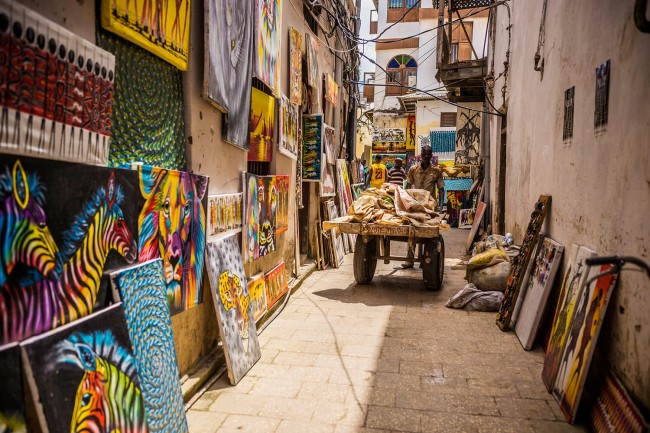
Ready to uncover Zanzibar’s hidden side? Book a guided mangrove or dhow tour with eco-conscious experts and sail into a world where nature and culture meet.

Don’t just see Zanzibar experience its secrets. Message us today to plan your hidden mangrove adventure.

Further more

Discover the hidden life of Zanzibar’s mangrove forests with Zancelebrate tour from dancing mudskippers to nesting herons. Reserve your eco-adventure now.”

Learn more about mangrove conservation with Conservation international

What to Do in Zanzibar for a Week: The Ultimate 7-Day Itinerary

What to Do in Zanzibar for a Week: The Ultimate 7-Day Itinerary

If you’ve ever dreamed of turquoise waters, palm-fringed beaches, and a cultural journey that blends African, Arab, and Indian influences Zanzibar is the place to be. A week on this magical island gives you the perfect balance of relaxation, history, adventure, and authentic cultural experiences.

In this guide, we’ll share a 7-day Zanzibar itinerary packed with must-do tours, hidden gems, and insider tips so you can make the most of your island escape.

🗓️ Day 1: Arrival & Stone Town Exploration

Start your adventure in Stone Town, a UNESCO World Heritage Site. Wander through its maze-like alleys, discover bustling bazaars, and admire the carved wooden doors that tell centuries of history.

  • Visit Forodhani Gardens for sunset street food.
  • Explore the House of Wonders and Old Fort.
  • End the day with a rooftop dinner overlooking the Indian Ocean.

👉 Stone Town is best explored with a local guide who can share stories of Zanzibar’s fascinating past.

what to do in Zanzibar for a week enjoy UNESCO world heritage site

🌿 Day 2: Spice Farm & Local Village Experience

Zanzibar is famously known as the “Spice Island.” On your second day:

Tour at spice plantation to see, smell, and taste fresh cinnamon, cloves, nutmeg, and vanilla.

Learn about traditional medicine and Swahili cuisine.

Visit a nearby village to experience authentic Zanzibari hospitality.

💡 Pro Tip: Buy fresh spices as souvenirs they’re lightweight and aromatic reminders of your trip.

what to do in Zanzibar for a week , spice farm test the spices and tropical fruit

🐢 Day 3: Prison Island & Nakupenda Sandbank

Hop on a boat for a half-day trip:

Prison Island (Changuu Island): Home to giant Aldabra tortoises and colonial ruins.

Nakupenda Sandbank: A dreamy stretch of white sand surrounded by turquoise water – ideal for swimming, snorkeling, and seafood picnics.

This is one of the most photogenic experiences in Zanzibar don’t forget your camera!

what to do in Zanzibar for a week at prison island to meet giant tortoise


🏝️ Day 4: Safari Blue Adventure

A full-day dhow cruise awaits you:

  • Snorkel in pristine coral reefs.
  • Spot dolphins (if lucky) and tropical fish.
  • Feast on a traditional Swahili seafood BBQ under the shade of baobab trees.
  • Relax on hidden sandbanks with crystal-clear waters.

Safari Blue is a once-in-a-lifetime experience that combines relaxation and adventure.

what to do in Zanzibar for a week at safari blue


🌳 Day 5: Jozani Forest & The Beaches of Paje

Discover Zanzibar’s wild side:

Visit Jozani Forest, home to the rare Red Colobus monkeys.

Walk along the mangrove boardwalk and learn about local conservation efforts.

Head to Paje Beach, famous for kite surfing, beachside cafes, and a lively yet laid-back vibe.

jozani forest meet red colobus monkey only available in Zanzibar

🐬 Day 6: Dolphin Tour & Snorkeling at Mnemba Atoll

Wake up early for a dolphin watching tour in Kizimkazi one of the best places to encounter dolphins ethically.

Continue to Mnemba Atoll, a world-class snorkeling and diving destination.

Expect vibrant coral reefs, tropical fish, and, if lucky, sea turtles.

best snorkeling spots at mnemba atoll wetness colorful coral reef and fishes

🌅 Day 7: Relax & Sunset Dhow Cruise

End your week with relaxation and romance:

Spend the day at Nungwi or Kendwa Beach, known for calm waters and soft sand.

In the evening, board a traditional dhow for a sunset cruise with live Taarab music or chilled drinks.

A perfect way to wrap up your 7 days in Zanzibar.

relax and enjoy sunset view with traditional dhow cruises

Quick Travel Tips for a Week in Zanzibar

  • Best time to visit: June to October (dry season) or December to February.
  • Getting around: Use private transfers, taxis, or guided tours for comfort.
  • Cultural note: Zanzibar is predominantly Muslim – dress modestly when outside the beach areas.
  • Budget options: Mix local eateries with luxury resorts for a balanced experience.

❓ Frequently Asked Questions about Spending a Week in Zanzibar

  1. Is 7 days enough for Zanzibar?

Yes! A week in Zanzibar is perfect to experience the island’s highlights from Stone Town’s culture and spice farms to snorkeling, safari blue tours, and relaxing on white-sand beaches.

  1. What’s the best time to visit Zanzibar for a week?

The best time is during the dry season (June to October and December to February) when the weather is sunny, and the sea is calm for snorkeling and diving.

  1. Can I explore Zanzibar without a tour group?

Absolutely. Zanzibar is safe for independent travelers. You can hire private guides, rent a car, or use trusted taxis to explore at your own pace.

  1. Is Zanzibar family-friendly for a week-long trip?

Yes, Zanzibar is great for families. Beaches like Nungwi and Kendwa have calm waters, and activities like spice tours, snorkeling, and dolphin watching are fun for kids.

  1. How much money do I need for a week in Zanzibar?

It depends on your style. Budget travelers may spend $40–$70/day, while luxury seekers may spend $200–$500/day with high-end resorts and private tours.

  1. What should I pack for a week in Zanzibar?

Light, breathable clothes, swimwear, reef-safe sunscreen, a hat, water shoes for snorkeling, and modest outfits for exploring Stone Town or visiting villages.

  1. Can I combine Zanzibar with a Tanzania safari?

Yes, many travelers spend a week in Zanzibar after a safari in Serengeti or Ngorongoro Crater for the ultimate beach-and-bush experience.

Final Thoughts

A week in Zanzibar offers the perfect blend of culture, relaxation, and adventure. From wandering Stone Town’s alleys to snorkeling in turquoise waters and watching magical sunsets, your 7-day trip will leave you with memories for a lifetime.

Call to action

📩 Plan your weekly trips with local experts like Zancelebrate Tours

🌱 See weekly-tours you can join today

📍 Discover where to stay in Zanzibar with Booking,com

Don’t wait your Zanzibar adventure is just one message away. Click below to start planning with us on WhatsApp!
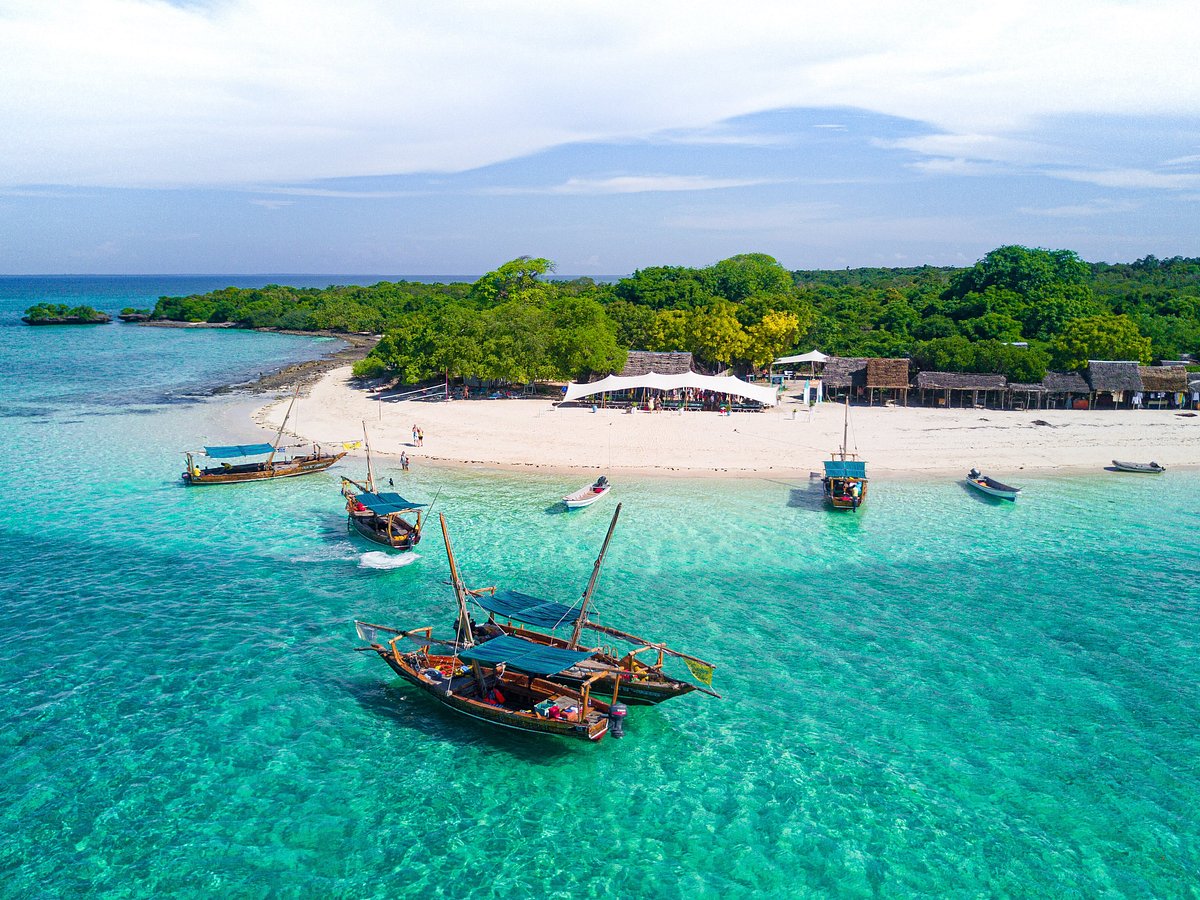
Ready to plan your perfect 7-day Zanzibar trip? Chat with us now on WhatsApp and let’s create your dream itinerary together!

Ready to plan your Zanzibar adventure? Book your tours early, pack light, and let Zanzibar’s charm do the rest!

🔥 One Week. Endless Adventures. Only in Zanzibar.

Further reading

Read more 4-day Zanzibar journey with Zancelebrate and make memories that will last forever.

Learning more Zanzibar family getaway unforgettable with Safari booking. Explore Zanzibar’s best experiences more than a 1 day for families and little explorers.